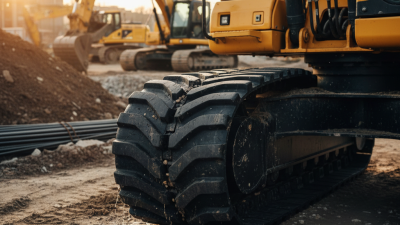
Choosing the right kubota kx080 tracks can change how an excavator behaves on soil, gravel, mud, and concrete. Track width, tread pattern, rubber quality, and steel construction all influence stability, ground pressure, vibration, and service life. A track that works well on a landscaped site may struggle on rocky ground.
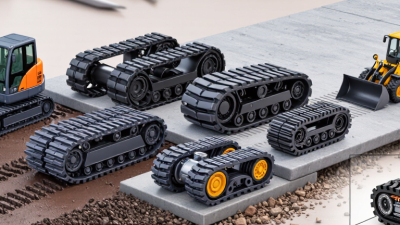
In 2026, buyers can compare premium rubber tracks, heavy-duty steel tracks, and hybrid options for the Kubota KX080. Each type has a practical purpose. Rubber tracks usually protect finished surfaces and reduce noise. Steel tracks can resist sharp debris and severe abrasion. Hybrid designs may offer a useful compromise, but their performance depends on the manufacturer and operating conditions.
Real-world selection should begin with the machine’s exact model, sprocket condition, roller wear, and operating hours. Measuring the existing track is essential, because small specification differences can cause fitting problems. Reputable dealers and manufacturer documentation provide stronger guidance than a low price alone. Still, product labels can be confusing. Some advertised “heavy-duty” tracks may not perform equally in demanding conditions.
Not every answer is obvious.
This guide examines tread design, rubber compounds, steel durability, installation fit, and total ownership cost. It also considers muddy construction areas, paved surfaces, demolition work, and frequent transport. The best kubota kx080 tracks are not simply the strongest or cheapest. They should match the excavator’s workload, undercarriage condition, and expected maintenance routine. That decision deserves careful inspection before purchase.
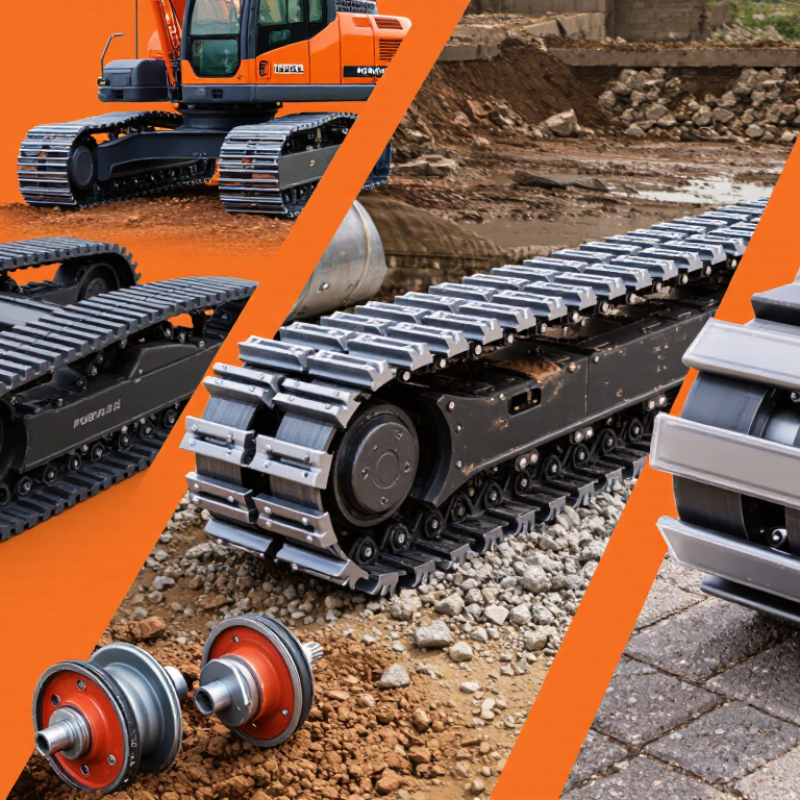
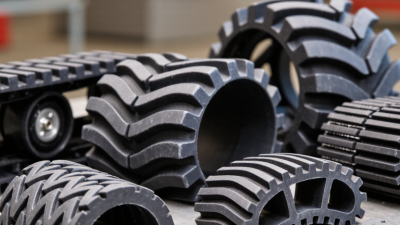
For an 8-ton excavator, track choice should follow ground conditions, transport needs, and expected travel hours. Standard rubber tracks suit finished surfaces, landscaped sites, and mixed urban work. They reduce surface damage and usually create less vibration inside the cab. However, sharp demolition debris can cut the rubber compound quickly. Steel tracks offer stronger resistance against rocks, scrap, and abrasive soil. They also provide firmer footing on slopes, but they can damage pavement and increase noise.
Steel tracks with bolt-on rubber pads sit between both options. They retain steel’s structural strength while reducing contact damage on roads and concrete. Pad wear remains a concern. Loose bolts can also create expensive downtime.
A 2024 EquipmentWatch cost-recovery analysis separates undercarriage expenses from fuel and scheduled maintenance, reinforcing that wear costs depend heavily on soil, tension, and travel patterns. That distinction matters more than a simple purchase-price comparison.
Grand View Research valued the global construction equipment market at about 232.9 billion dollars in 2023, with projected growth near 5.8% annually through 2030. More equipment is entering mixed-use job sites, where one track type may not fit every task. My practical preference is rubber for landscaping and utility work, steel for quarry-like ground, and padded steel for frequent road movement. Still, that rule is imperfect. Excessive travel can destroy any track type faster than expected. Daily cleaning, correct tension, and avoiding sharp turning often influence service life more than the track material itself.
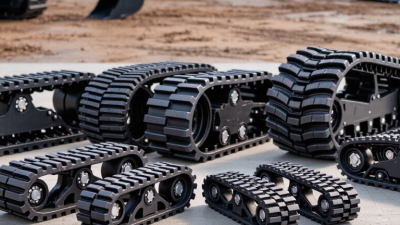
Choosing the best track design for an 8-ton excavator starts with the working surface, not the lowest price. The 2024 Off-Highway Research outlook shows continued demand for compact and mid-sized excavators in rental, utility, and site-development work. That matters because frequent transport and mixed terrain punish unsuitable tracks. Rubber tracks usually protect finished concrete and asphalt. Their quieter movement also helps in residential areas. Steel tracks offer stronger resistance against sharp rock, demolition debris, and severe ground contact. Hybrid designs can balance protection and durability, but their real value depends on replacement support.
Check the undercarriage before choosing width or tread pattern. The Association of Equipment Manufacturers notes that undercarriage wear remains a major ownership-cost concern for tracked equipment. Measure sprocket wear, roller condition, track tension, and frame alignment. A deep tread may improve traction in wet clay, yet it can carry more mud between jobs. A wider track reduces ground pressure, but it may increase turning resistance and side loading. Small details matter.
Field experience also reveals an uncomfortable point: operators often select tracks by appearance. That is not enough. Rubber compound, steel-cord construction, lug shape, and service temperature can change actual life. A 2023 report from Research and Markets projected steady growth in the global rubber-track sector, driven by urban construction and landscaping demand. Still, published life estimates can be optimistic. Record hours, surface type, turning habits, and daily tension checks before trusting any forecast.
For a mid-size excavator in 2026, track choice should follow the worksite, not fashion.
Off-Highway Research’s 2024 market outlook identifies excavators as one of construction equipment’s largest segments. That demand includes very different ground conditions. Rubber tracks suit asphalt, landscaped areas, and finished concrete. They reduce surface damage and usually create a quieter ride. However, sharp demolition debris can cut the tread quickly. Daily inspections matter.
Steel tracks remain practical on rock, clay, demolition sites, and steep terrain.
Their open shoes shed mud better and resist abrasion. The trade-off is clear: more vibration, more noise, and possible pavement damage. A 2024 EquipmentWatch Market Insights report also notes that utilization and maintenance history strongly affect residual equipment value. Neglected track tension can erase savings surprisingly fast. Check sprocket wear, roller condition, and sag before comparing prices.
Hybrid tracks offer a useful compromise for contractors moving between soil and paved access roads.
Their rubber pads protect surfaces, while steel components improve durability. Still, “hybrid” is not automatically best. It can cost more initially and may need specialized replacement parts. I would choose rubber for frequent urban work, steel for harsh excavation, and hybrid for mixed weekly routes. That judgment is not perfect. Local debris, operator habits, and transport frequency can change the result. Collect one month of operating hours and repair records before ordering.
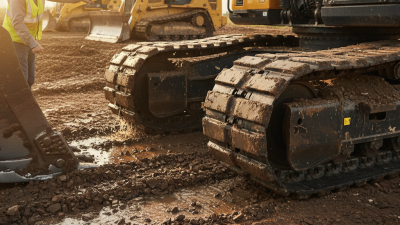
Choosing the right KX080 tracks starts with the ground, not the catalog. On soft clay, wide tracks reduce ground pressure and improve flotation. On rocky demolition sites, reinforced rubber compounds resist cuts and chunking. A 2024 Smithers off-highway tire market review projects roughly 4% annual demand growth through 2028, reflecting rising replacement needs in harsh applications.
Load changes the decision. A fully equipped 8-ton excavator places far more stress on track edges during slewing and side travel. For heavy lifting, choose tracks with stronger carcass construction and deeper tread blocks. The Association of Equipment Manufacturers reported continuing construction labor and productivity pressures in its 2024 industry outlook. That matters because downtime often costs more than the track itself.
Think about travel habits, too. Frequent turning on concrete accelerates heat and abrasion. Long road moves can damage rubber before visible cracks appear. Correct tension remains essential; excessive slack can cause derailment, while excessive tension raises roller and sprocket wear. Track life estimates are useful, but they are not promises. I would inspect weekly, especially after working around rebar or broken stone. Mud hides damage. That is the part many operators underestimate. A mixed site may need a compromise track, not the most aggressive pattern. The best choice matches terrain, attachment load, travel distance, and maintenance discipline.
For an 80-class excavator, track maintenance affects uptime, safety, and operating cost. Rubber tracks often last about 1,200 to 2,000 working hours, according to field-service benchmarks referenced by the Rubber Track Manufacturers Association. Hard surfaces, sharp debris, excessive turning, and poor tension can reduce that range quickly. Check tension daily, especially after muddy work. Inspect lugs, metal cores, cuts, and uneven wear before each shift.
Replacement timing should depend on condition, not hours alone. Replace the tracks when cracks expose internal cables, lugs lose their working shape, or repeated derailment occurs. EquipmentWatch’s 2024 Cost Recovery Handbook separates ownership costs from operating costs, showing why delayed repairs can distort hourly budgets. A small roller fault may accelerate track damage. That detail is easy to miss. I would not trust a simple “replace at 2,000 hours” rule. Soil, operator habits, and undercarriage condition change the result.
Tips: Measure track sag with the machine parked on level ground. Remove packed stones from the undercarriage daily. Record hours, tension checks, and repair dates. Compare two replacement quotes by cost per working hour, not purchase price alone. A cheaper track may wear faster. That assumption deserves testing. Allow roughly 10% to 15% extra budget for related rollers, idlers, or tensioner repairs when tracks are heavily worn, based on common fleet-maintenance planning practice.