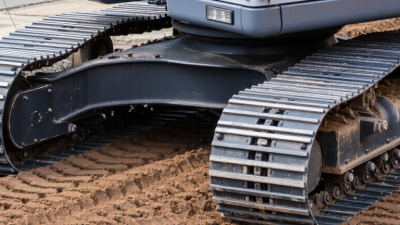
What Are the Top Types of Mini Rubber Tracks?
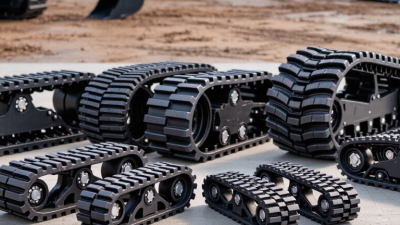
Mini rubber tracks may look alike in a parts catalog, but their tread patterns and construction can change how a machine behaves on soil, gravel, pavement, and turf. Common options include standard block treads, C-pattern and zigzag designs, multi-bar tracks, turf-friendly versions, and steel-cord-reinforced tracks. Each has trade-offs. A broad tread can spread machine weight, while an aggressive pattern may grip loose ground but leave deeper marks. The best choice depends on the machine, working surface, and daily tasks—not appearance alone.
Industry reports offer useful context, but they do not establish one universal ranking of track types. Grand View Research’s Rubber Track Market Size, Share & Trends Analysis Report examines market drivers and applications; AEM’s construction equipment market reporting provides broader equipment-demand context. Neither replaces the manufacturer’s fitment chart. Check track width, pitch, link count, and permitted machine models before ordering. A small mismatch can cause poor fit or accelerated wear. That detail is easy to overlook. Field experience also matters: a contractor working on wet clay may value traction, while a landscaper crossing finished lawns may prioritize reduced ground disturbance. Even then, “turf-friendly” does not mean damage-proof. This guide compares the leading mini rubber tracks by design, typical use, and practical limits, while treating published market data as context—not proof that one tread suits every job.
What Defines a Mini Rubber Track and Its Main Types?
A mini rubber track is an endless flexible belt fitted around a compact excavator, loader, or carrier. Steel cords inside the rubber provide strength, while the outer tread creates grip on soil, gravel, or concrete. Compared with larger tracks, mini tracks are narrower, lighter, and designed for restricted work areas. Their performance still depends on correct tension, machine weight, and ground conditions.
The main types differ by tread design and working purpose. Standard bar treads offer balanced traction for landscaping, trenching, and general construction. Block-pattern tracks can reduce vibration and provide smoother travel on paved surfaces. Non-marking tracks use a specially formulated rubber compound, helping limit dark marks on finished floors. Narrow tracks suit tight access points, although they may provide less flotation on soft ground. In my experience, tread shape matters as much as width. This detail is often overlooked.
Tips: Measure width, pitch, link count, and sprocket compatibility before ordering. Check the operator’s manual, then compare the old track carefully. A track that fits poorly may derail, wear unevenly, or stress the undercarriage. Clean packed mud from the rollers regularly. Inspect for exposed steel cords and deep cuts. There is no perfect track. The best choice depends on the machine, surface, and workload, and even experienced operators sometimes reassess after the first season.
What Are the Top Types of Mini Rubber Tracks?
How to read the chart: These are common nominal track-width options, not market-share figures or a fitment guide. Exact width, length, pitch, and guide-lug design depend on the machine.
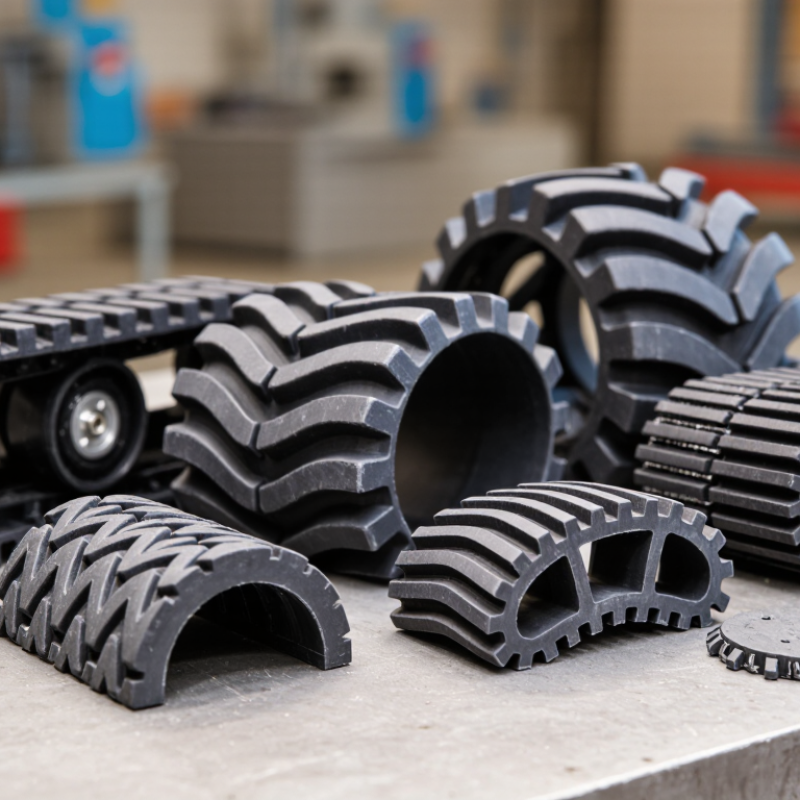
Main types: Block-tread tracks have a general-purpose tread; C-pattern tracks use angled, C-shaped lugs; and zigzag-tread tracks have a chevron-like pattern. Tracks may also differ in construction, such as steel-cord reinforcement. Match the track to the machine’s specifications and intended surface.
General-Purpose Rubber Tracks for Soil, Gravel, and Mixed Terrain
General-purpose rubber tracks suit compact machines that move between soil, gravel, and partly finished ground. Their tread should provide enough bite to climb soft patches without digging aggressively into firmer surfaces. On damp soil, open spaces between tread blocks help release packed mud. On gravel, a stable contact pattern can reduce jolting and improve control.
That balance matters. A very aggressive tread may disturb lawns or leave deep marks, while a shallow pattern can struggle on loose slopes. Gravel also brings abrasion: sharp stones can cut the outer rubber over time, especially during frequent tight turns. The right track width and machine weight matter too, since both affect ground pressure and flotation.
Check the track tension and undercarriage regularly, particularly after working across uneven ground. Too much tension can increase wear; too little may let the track shift or come off. Look for exposed cords, missing chunks, and uneven wear along the edges. Small details matter. Mixed terrain is still a compromise, and no tread handles every surface equally well. Reconsider the choice if the machine spends most of its time on one demanding surface.
Turf-Friendly Rubber Tracks for Landscaping and Sensitive Ground
What Are the Top Types of Mini Rubber Tracks?
Mini rubber tracks are not interchangeable, especially on lawns and sensitive ground. For landscaping, standard block-pattern tracks provide balanced traction and a broad contact area. They help spread machine weight and reduce deep ruts. However, wet turf can still show scuff marks. That detail is often underestimated.
Turf-friendly tracks commonly use non-marking rubber compounds and smoother tread designs. They work well on finished lawns, paving areas, and carefully maintained gardens. Low-profile bar patterns support gentle travel while maintaining practical grip. Some tracks include reinforced tread sections for longer service life. No track is completely damage-free.
Open-tread tracks suit muddy soil and uneven terrain because they clear debris more effectively. Their deeper lugs can disturb delicate grass during sharp turns. Narrow tracks may fit tight access routes, but they can increase ground pressure. Wider tracks usually protect soft surfaces better, depending on machine weight. Experienced operators check soil moisture, payload, turning technique, and track tension before work begins. A short test run is wise. Two slow passes can reveal more than a brochure. Track selection also depends on undercarriage compatibility, because poor fit can cause uneven wear and unnecessary vibration.
Heavy-Duty Rubber Tracks for Demolition and Abrasive Conditions
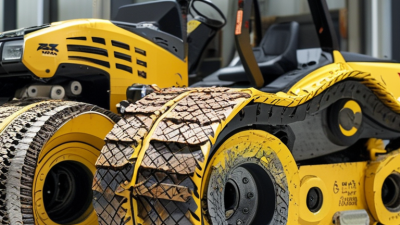
In demolition work, mini rubber tracks face sharp concrete, brick fragments, and repeated turning on rough slabs. Reinforced heavy-duty tracks are built for this punishment, with sturdier internal layers that help resist cuts and carcass damage. Abrasion-resistant rubber compounds can also slow surface wear when machines travel across gritty ground. Concrete is unforgiving. Small cuts matter.
Tread design deserves equal attention. Deeper, more open lugs can shed loose debris and maintain grip on broken ground, while a tougher, more continuous tread may suit abrasive surfaces with frequent travel. Neither pattern is perfect. Deep lugs can feel less stable on smooth floors, and no rubber track is immune to sharp rebar or trapped rubble. A quick walk-around before each shift helps catch embedded stones, exposed cords, or uneven wear. Clear debris from the undercarriage, too; packed material can increase strain and accelerate damage. Match track width and pattern to the machine’s manual and typical site conditions, not just the roughest job planned. That choice is easy to overlook. When demolition work is mixed with paved access routes, a balanced heavy-duty tread may be more practical than the most aggressive option.
What Are the Top Types of Mini Rubber Tracks? — Heavy-Duty Rubber Tracks for Demolition and Abrasive Conditions
Selection note: Track performance depends on machine compatibility, rubber compound, tread design, ground conditions, and operating practices. For abrasive demolition work, check the equipment manual, maintain correct track tension, and inspect tracks for cuts, exposed reinforcement, and unusual wear.