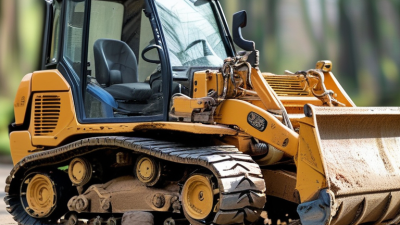
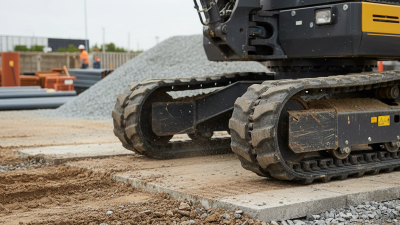
Choosing the best mini rubber tracks in 2026 requires more than comparing prices and tread patterns. Global buyers need reliable performance, accurate dimensions, and support after delivery. A track that looks strong online may fail early on abrasive gravel, wet clay, or uneven construction sites. The right choice depends on machine model, track width, pitch, link count, operating weight, and working conditions.
This guide examines mini rubber tracks from a practical buyer’s perspective. It considers rubber compound quality, steel core design, tread depth, heat resistance, and resistance to cracking. Experienced operators often notice small details first, including clean tread edges, consistent lug spacing, and firm guide lugs. These details can reveal manufacturing quality. Still, no product is perfect. A durable track may cost more, while a cheaper option may offer acceptable service for light seasonal work. Buyers should compare total operating cost, not only the purchase price.
Supplier reliability also matters. Confirm production records, inspection procedures, warranty terms, replacement policies, and shipping experience before ordering. Ask for technical drawings and clear photographs. Check the serial number carefully. Independent testing is useful, but documentation can vary between markets. Therefore, recommendations should remain practical rather than absolute. This 2026 overview helps excavator owners, rental companies, dealers, and contractors make informed decisions. It focuses on fit, service life, safety, and value across different regions. Good research takes time. That time can prevent costly downtime.
What Are Mini Rubber Tracks and How Do They Work?
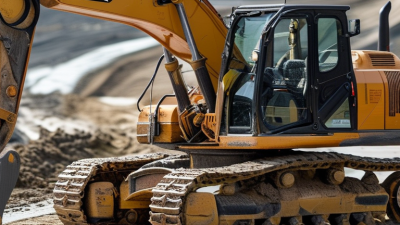
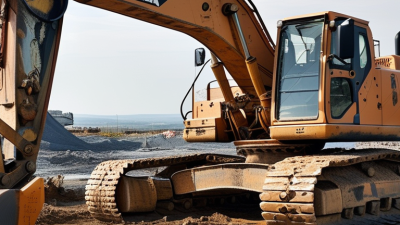
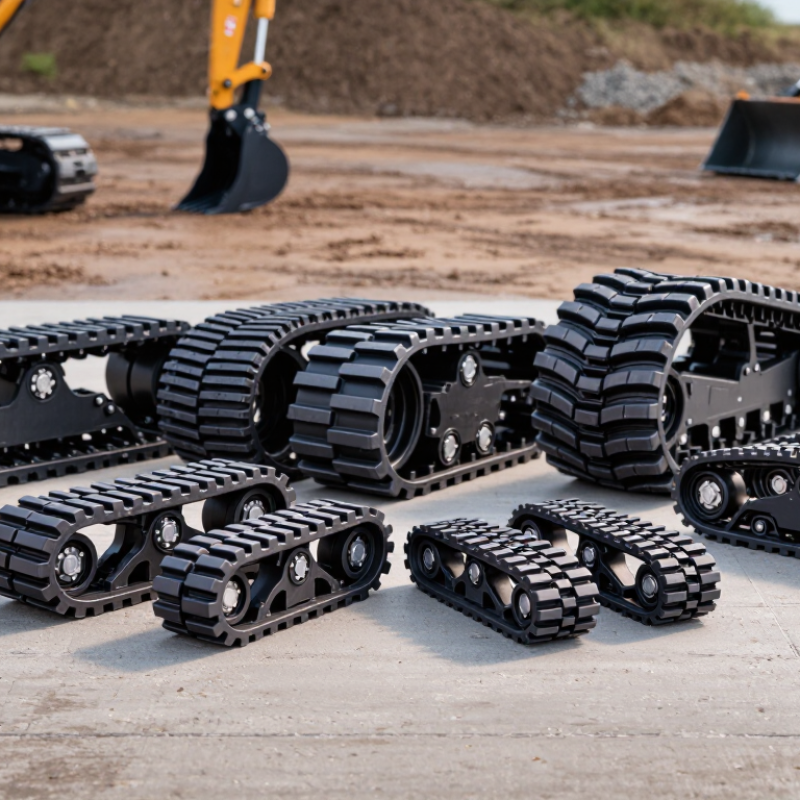
Mini rubber tracks are continuous belts fitted around compact excavators, loaders, and access machines. They replace wheels or steel tracks. Their flexible rubber body spreads machine weight across a wider ground area. This reduces soil pressure on lawns, paving, and finished surfaces.
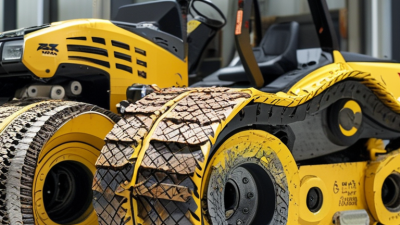
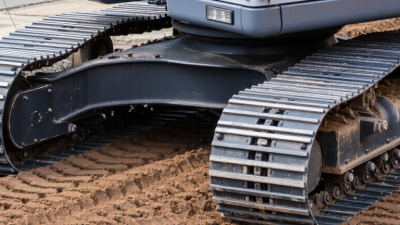
Inside each track, steel cords provide tensile strength. Molded tread blocks create traction, while rubber compounds absorb vibration. Drive sprockets engage the internal lugs and transfer engine power. Idlers and rollers keep the track aligned during turning. The system works simply, but not perfectly. Sharp concrete edges, trapped stones, and incorrect tension can accelerate damage. Field technicians often inspect the inner guide area first.
Grand View Research valued the global construction equipment market at about USD 197 billion in 2023. It also projected continued growth through 2030. This broader trend supports demand for compact undercarriage parts, including mini rubber tracks. However, market size does not guarantee the correct track choice. Buyers should match pitch, width, tread design, and machine weight carefully.
Tips: Measure the old track before ordering. Count the pitch and links. Check the manufacturer’s operating manual. Keep tension within specification. Excessive tension increases roller and bearing loads. Low tension may cause derailment. Clean stones from the undercarriage after rough work. Small maintenance habits matter.
| Selection Dimension | Typical Specification | What It Means | Recommended Use | Buyer Checkpoint |
|---|---|---|---|---|
| Track Width | 180–450 mm | Wider tracks generally reduce ground pressure and improve flotation, while narrower tracks provide better access in confined areas. | Narrow landscaping work to heavier compact equipment. | Measure the existing track width, not only the machine width. |
| Track Length | 900–2,500 mm overall length | Length must match the machine’s front and rear sprocket or idler spacing so the track can run correctly around the undercarriage. | Mini excavators, compact loaders, tracked carriers, and access platforms. | Check the installed track length or the manufacturer’s part number. |
| Pitch | 60–100 mm | Pitch is the center-to-center distance between adjacent drive lugs or track links. It must match the sprocket tooth spacing. | All rubber-track applications. | A correct width with an incorrect pitch will not provide proper drive engagement. |
| Number of Lugs or Links | Typically 25–45 per track | The track circumference is commonly determined by pitch multiplied by the number of lugs or links. | Replacement tracks where exact undercarriage fit is required. | Count the lugs or links on the old track when identification markings are unavailable. |
| Load Capacity | Approximately 0.8–8 tonnes machine operating weight | The allowable machine weight depends on track width, carcass construction, undercarriage condition, speed, and working surface. | Compact equipment from small access machines to mid-sized mini excavators. | Use the machine’s operating weight, including attachments and normal payload. |
| Carcass Construction | Steel-embedded rubber with continuous steel cables | Embedded steel reinforcement transfers drive force and helps the track retain its shape under load. | Construction, earthmoving, agriculture, and utility work. | Ask whether the steel cables are continuous and evenly embedded. |
| Tread Pattern | Block, bar, agricultural, or non-marking tread | Tread geometry affects traction, vibration, surface disturbance, and cleaning performance. | Block treads for general work; smoother or non-marking treads for finished surfaces; agricultural treads for soil. | Match the tread to soil, pavement, turf, snow, or indoor flooring. |
| Ground Pressure | Often about 20–60 kPa on compact machines | Ground pressure is influenced by machine weight and the total contact area of both tracks. Lower pressure can reduce rutting. | Wet ground, lawns, soft soil, and sensitive surfaces. | Treat published values as estimates; actual pressure changes with load and track tension. |
| Operating Speed | Usually up to 5–8 km/h | Rubber tracks are designed for controlled travel rather than sustained high-speed road operation. | Worksites, farms, gardens, and short-distance site movement. | Follow the machine speed limit and reduce speed on abrasive or rough surfaces. |
| Temperature Range | Commonly about −25°C to +55°C | Rubber performance changes with temperature; extreme heat, cold, chemicals, and sunlight can accelerate aging. | Seasonal global operation when the compound is selected appropriately. | Request the supplier’s validated temperature and storage guidance for the intended market. |
| Working Surfaces | Soil, gravel, turf, concrete, asphalt, and mixed terrain | Rubber tracks distribute weight and can offer lower surface damage than steel tracks, but sharp debris can still cause cuts. | Landscaping, demolition support, construction, and municipal maintenance. | Inspect for sharp rocks, rebar, scrap metal, and chemical contamination before operation. |
| Track Tension | Machine-specific sag and adjustment | Correct tension helps prevent derailment, excessive wear, and unnecessary load on rollers and sprockets. | Every mini rubber-track machine. | Set tension according to the machine service manual, not a universal measurement. |
| Expected Service Life | Approximately 600–1,500 operating hours | Service life varies significantly with soil abrasiveness, travel speed, operator habits, undercarriage condition, and maintenance. | Routine replacement planning and total-cost comparisons. | Compare warranty terms, tread wear indicators, operating conditions, and maintenance requirements rather than hours alone. |