Learn More With Our

Blog

What Are the Top Mini Rubber Tracks for Sale?

Choosing the top mini rubber tracks for sale requires more than comparing prices online. Track quality directly affects machine stability, operator comfort, and undercarriage life. A compact excavator working on wet clay needs different traction from a mini loader crossing finished concrete.

This guide examines mini rubber tracks through practical details. We consider tread pattern, rubber compound, steel-cord strength, track width, and machine compatibility. Measurements matter. A track that appears suitable may still damage sprockets if its pitch or guide design is incorrect. Always check the machine’s make, model, serial number, and original track dimensions before ordering.

Field experience also reveals less obvious differences. Some tracks deliver strong grip on gravel but wear quickly on abrasive surfaces. Others reduce vibration but cost more initially. A reliable supplier should provide clear specifications, warranty terms, installation guidance, and responsive technical support. Independent reviews can help, but they are not always complete.

Real conditions vary.

The best choice depends on working hours, ground conditions, load weight, and maintenance habits. A contractor replacing tracks after several hundred hours may value reinforced construction. A homeowner using a mini excavator occasionally may prefer balanced durability and affordability. Even experienced buyers can overlook alignment or tension. That mistake can shorten track life.

This overview offers a careful comparison rather than a universal ranking. Product availability and specifications may change, so verify current information with the manufacturer or authorized dealer. The goal is simple: help buyers select dependable mini rubber tracks with fewer surprises after installation.
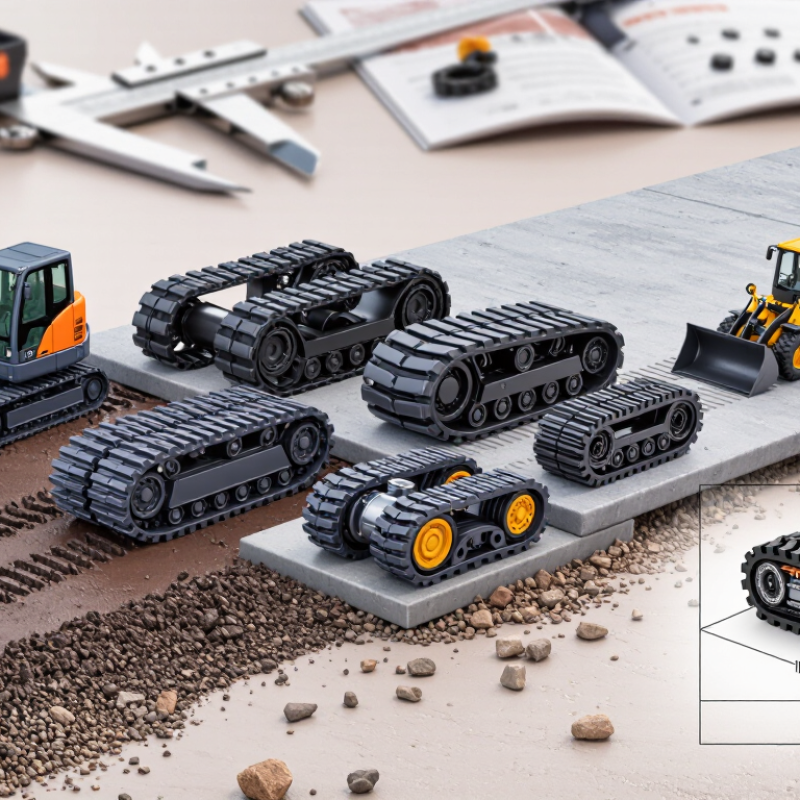
What Are the Top Mini Rubber Tracks for Sale?

What Are Mini Rubber Tracks and How Do They Work?

Mini rubber tracks are continuous reinforced belts fitted around a drive sprocket, front idler, and bottom rollers. Steel cords inside the rubber carry tension, while molded lugs grip soil, gravel, or concrete. The sprocket engages the track’s internal drive lugs and converts engine torque into movement. It is simple, but not effortless.

Their main advantage is lower ground pressure. A 2024 compact equipment report from Off-Highway Research places compact machines among the fastest-growing construction equipment segments, driven by urban work and rental demand. EquipmentWatch’s 2024 market analysis also shows that track-equipped compact loaders commonly retain stronger resale interest than comparable wheeled units. These findings support demand for reliable replacement tracks, but they do not make every track suitable.

Track performance depends on width, pitch, tread design, rubber compound, and machine weight. Wider tracks can reduce surface damage, while aggressive lugs improve traction in wet soil. They may feel slower on hard ground. Smooth block patterns usually suit finished surfaces better, though they can slip in mud. Check the machine’s exact dimensions and sprocket condition before purchasing. A new track on a worn sprocket can fail early. I have seen specifications treated as optional; that is an expensive mistake. A small mismatch in pitch can create vibration, uneven wear, and poor engagement. Track life also changes with heat, sharp debris, turning habits, and stored tension. There is no universal “top” mini rubber track. The best choice matches the machine, ground, workload, and maintenance discipline.
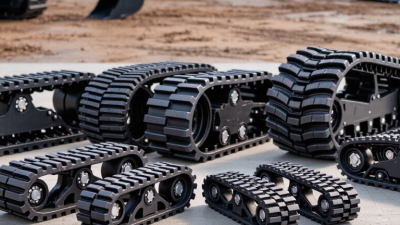
Which Mini Rubber Track Sizes Fit Different Compact Machines?

Choosing mini rubber tracks starts with machine fit, not price. According to a 2024 Grand View Research analysis, the compact construction equipment market is expected to grow at about 4.8% annually through 2030. That growth increases replacement demand, but sizing mistakes remain common.

For mini excavators, 180 × 72 × 37 tracks often fit machines near 1.5–2.5 tonnes. A 200 × 72 × 39 or 40 pattern commonly suits 2.5–3.5-tonne excavators. Machines around 3.5–5 tonnes may use 230 × 72 × 43 or 46 tracks. Compact track loaders frequently require wider options, such as 250 × 72 × 44 or 300 × 72 × 52. These are practical ranges, not universal rules. Frame clearance, sprocket design, guide spacing, and track tension also matter.

Tips: Read the complete marking on the old track. Measure width, pitch, and link count. Compare all three numbers. A 2-millimeter width difference may seem harmless, but it can affect clearance and steering. I have seen buyers match only the machine’s operating weight. That shortcut can fail. Manufacturer service manuals and dealer fitment charts remain more reliable than marketplace listings. Also inspect the undercarriage before installation; worn sprockets can damage new rubber tracks quickly. According to the 2023 Off-Highway Research outlook, compact equipment demand remains strongest where rental and landscaping work are active, making durability and correct fit especially important.

What Features Define High-Quality Mini Rubber Tracks?

The top mini rubber tracks for sale are not always the most expensive. High-quality tracks begin with accurate dimensions, including width, pitch, and link count. These measurements must match the machine’s sprocket and rollers. Even a small mismatch can cause uneven wear or derailment.

A durable rubber compound should resist cuts, heat, moisture, and ordinary construction oils. Reinforced steel cords add strength through the track’s length. They should remain evenly embedded, without exposed wires or soft bulges. A practical tread pattern also matters. Deep, well-spaced lugs improve grip on soil, gravel, and wet ground, while reducing mud buildup. Clean edges matter.

From field checks, I would inspect the carcass before trusting product photographs. Look for consistent molding, firm sidewalls, and uniform lug height. Ask for load ratings, operating-temperature guidance, production dates, and warranty terms. Reliable sellers should provide these details clearly, not hide them behind vague claims.

No track is perfect. A track designed for muddy ground may wear faster on concrete. A harder compound may last longer, but it can transmit more vibration to the operator. I have learned that service life also depends on correct tension and daily cleaning. Remove stones from the undercarriage, check alignment, and avoid turning sharply on abrasive surfaces. Small maintenance habits often reveal more value than a flashy specification sheet.

How Do Leading Mini Rubber Track Options Compare?

Mini rubber tracks differ most in carcass strength, tread design, width, and pitch. A 2024 Grand View Research report identifies construction as the leading rubber-track application, driven by compact excavators and loaders. That demand explains the crowded market. Still, “heavy duty” is not a complete specification.

For paved yards and landscaping, tracks with a block or non-marking tread usually reduce surface damage. Their smoother pattern can sacrifice grip on wet clay. Deep agricultural tread options bite better in mud, but they may vibrate more on concrete. A 2024 Research and Markets review forecasts continued growth in replacement-track demand through the decade. This supports buying for service life, not only purchase price. In field use, I check the old track’s pitch, link count, sprocket profile, and inner guide spacing before comparing quotes. Small measurement errors cause expensive fitting problems.

The strongest options often use layered steel reinforcement and flexible rubber compounds. However, more reinforcement can increase weight and turning resistance. It is a real compromise. SAE J225 provides a useful reference for track-related dimensions, but it does not guarantee field durability. Look for documented operating hours, temperature limits, load ratings, and warranty exclusions. A 2023 Off-Highway Research outlook also links compact-equipment utilization with rental and urban construction activity, where frequent turning accelerates wear. I would question any seller promising universal fitment. Track life depends heavily on tension, debris removal, and operator habits. Even excellent tracks fail early when the undercarriage is misaligned.

Where Can Buyers Find Reliable Mini Rubber Tracks for Sale?

Reliable mini rubber tracks for sale are usually found through established equipment dealers, specialized undercarriage suppliers, and manufacturer-direct distributors. These sellers should provide clear fitment data, written warranties, and accessible replacement support. A trustworthy listing states the track width, pitch, link count, tread pattern, and compatible machine models.

Measure carefully. One wrong dimension can leave an otherwise new track useless. Buyers should compare the machine’s serial number with the supplier’s fitment chart, not rely only on photographs. Ask about rubber compound, steel cable construction, operating hours, shipping damage procedures, and return conditions. Detailed answers often reveal stronger technical knowledge.

Online marketplaces can offer competitive prices, but verification matters. Check business registration details, customer feedback, product photographs, and the age of the seller’s listings. Request a formal invoice and written confirmation of compatibility before paying. I once trusted a vague measurement and created an avoidable delay. That mistake still shapes my buying checklist.

Look closely. A low price may reflect thinner rubber, limited support, or unclear storage history. Reliable suppliers explain manufacturing dates and inspection standards without avoiding difficult questions. Buyers should also compare several quotations, because the cheapest option is not always the most practical one. Availability matters when a compact excavator is working on a tight schedule.

What Are the Top Mini Rubber Tracks for Sale? - Where Can Buyers Find Reliable Mini Rubber Tracks for Sale?

Track Type Typical Size
(Width × Pitch × Links)
Common Equipment Class Best Application Tread Pattern Typical Service Life* Typical Market Range* Reliable Buying Source
Compact Narrow Track 180 × 72 × 37 mm 0.8–1.5 metric tons Landscaping, backyard work and narrow access areas Block or staggered tread 800–1,200 operating hours US$250–$500 per pair Specialist undercarriage supplier with fitment confirmation
General-Purpose Mini Track 230 × 72 × 43 mm 1.5–2.5 metric tons Routine excavation, trenching and utility work Standard block tread 900–1,500 operating hours US$350–$750 per pair Authorized equipment parts department or established online dealer
Heavy-Duty Mini Excavator Track 250 × 72 × 43 mm 2.0–3.0 metric tons Construction sites, compacted ground and frequent travel Reinforced block tread 1,000–1,800 operating hours US$450–$900 per pair Dealer offering a written warranty and serial-number verification
Wide-Flotation Track 300 × 52.5 × 84 mm 2.5–4.0 metric tons Soft soil, turf, mud and reduced ground pressure Low-impact or multi-bar tread 900–1,600 operating hours US$650–$1,200 per pair Undercarriage specialist able to confirm width and clearance
Low-Vibration Track 230 × 96 × 35 mm 1.5–2.5 metric tons Paved surfaces, residential projects and finished landscaping Continuous or closely spaced tread 700–1,300 operating hours US$400–$850 per pair Local parts distributor with an application-specific tread chart
Rock-Resistant Track 250 × 72 × 43 mm 2.0–3.0 metric tons Gravel, demolition debris and abrasive terrain Deep reinforced tread 800–1,500 operating hours US$500–$1,000 per pair Supplier that publishes rubber compound and steel-core specifications
Low-Ground-Pressure Track 300 × 72 × 43 mm 2.5–3.5 metric tons Wet ground, lawns and sensitive surfaces Wide bar tread 800–1,400 operating hours US$650–$1,150 per pair Dealer that provides measured ground-pressure and fitment information
Replacement Track for Used Equipment Machine-specific; commonly 180–300 mm wide 0.8–4.0 metric tons Cost-effective replacement of worn or damaged tracks Matched to the original undercarriage Varies with machine condition and working surface US$250–$1,200 per pair Reputable marketplace seller with returns, reviews and dimensional drawings
Buying Checklist: Confirm the track width, pitch, link count and inner-guide arrangement before ordering. Measure the existing track and compare the dimensions with the equipment manual. Service life and prices are indicative ranges only and vary according to soil conditions, operating habits, undercarriage alignment, rubber compound and supplier warranty.
*Typical figures are general industry estimates and should not replace machine-specific fitment verification.
Top