Choosing the right compact track loader tracks affects traction, stability, operator comfort, and operating costs. The wrong choice can leave deep marks, waste fuel, or accelerate wear on the undercarriage. That decision deserves more than a quick glance at tread patterns.
Start with the machine’s exact make, model, operating weight, and manufacturer specifications. Then consider the working surface. Soft soil may require a wider track with a flotation-focused tread, while rocky construction sites demand durable rubber compounds and reinforced carcasses. Turf work needs careful attention to ground pressure and tread design. Small details matter.
Experience also reveals practical differences. A track that performs well on damp clay may struggle on compacted gravel. A deep tread can improve grip, but it may increase vibration and surface disturbance. This is where choosing compact track loader tracks becomes a balance between performance, protection, and budget. There is no perfect option.
Inspect the rollers, sprockets, and idlers before installation. New tracks cannot correct neglected components. Check tension regularly, remove trapped stones, and record wear after demanding jobs. Manufacturer guidance remains the most reliable starting point, although real site conditions may expose limitations. I have found that operators sometimes choose aggressive tread designs too quickly, then regret the rough ride and faster wear. A careful comparison, supported by supplier data and field feedback, usually produces a better result. The best track is not always the toughest-looking one. It is the one matched to the machine, surface, workload, and maintenance habits.
Start with the ground, not the machine. A muddy construction site needs tracks with strong flotation and reliable self-cleaning tread. Rocky demolition areas demand cut resistance and reinforced carcass protection. For landscaping, turf preservation may matter more than maximum traction. Walk the work area before choosing.
Measure the real workload. Record daily operating hours, average load weight, slope angles, and travel distance. Note narrow gates, sharp turns, and uneven ground.
A loader carrying pallets across concrete faces different demands than one grading wet soil. Attachment weight also affects track stress. Check the loader’s operating specifications before selecting a track size or pattern.
Think about weather and maintenance access. Freeze-thaw cycles can expose weak rubber compounds, while constant heat may accelerate wear. Inspect the undercarriage, sprockets, rollers, and track tension before installation. New tracks cannot correct damaged components. They may wear unevenly instead.
A clean tread pattern is not enough. It must match the soil and attachment.
Your first estimate may be wrong. Job conditions often change after rain, schedule delays, or heavier material deliveries. Leave room for those changes when defining requirements.
A practical record of soil type, load, hours, and damage history will support a more reliable choice. Small details matter.

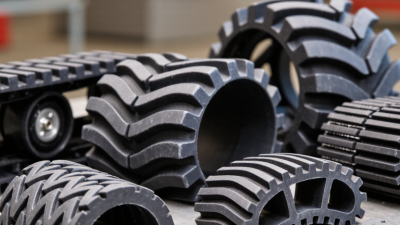
Choosing compact track loader tracks starts with the worksite, not the machine’s appearance. A track that performs well on wet clay may struggle on sharp demolition debris. I inspect ground firmness, moisture, slope, and expected travel distance before selecting a tread. In field use, these details often matter more than advertised versatility. Soft, deep-lug patterns can improve flotation in mud and loose soil. However, they may disturb finished surfaces and collect packed material. Flat or block-style treads usually suit concrete, asphalt, and landscaping areas. They provide smoother travel and more predictable contact. That matters.
For mixed jobs, consider a moderate tread with balanced voids. It can clear soil without feeling overly aggressive on prepared ground. High-traction patterns help on slopes, but they also increase vibration and wear on hard surfaces.
Open patterns may shed mud quickly, although rocks can enter the undercarriage. I learned this after choosing an overly open tread for a gravel-heavy site. Productivity was acceptable, but daily cleaning took longer than expected. That choice was not entirely wrong. It was poorly matched to the maintenance routine.
Track width, rubber compound, and load rating also deserve attention. Wider tracks reduce ground pressure, yet they can add resistance during tight turns. Match the track to the loader’s operating weight and approved specifications.
Check the undercarriage each day for cuts, exposed cords, uneven wear, and trapped stones. Keep tension within the stated range; excessive tension can accelerate component wear. Ask the operator what the ground feels like after a full shift. Their observation may reveal problems that a short inspection misses.
Choosing the correct track size starts with accurate measurements, not guesswork. Check the loader’s required width, pitch, and link count before ordering. A track that is only slightly wrong can damage sprockets, rollers, or undercarriage components.
Use the machine’s service information as your reference. Then confirm the dimensions on the existing track, because previous replacements may not match the original specification. Consider operating weight, attachment loads, and ground conditions. Wider tracks can reduce ground pressure on soft soil, while narrower tracks may improve maneuverability in confined areas. However, extra width can increase resistance and strain during turning.
Rubber compound selection is equally important. A softer compound may provide better grip on finished surfaces, but it can wear faster on sharp gravel or abrasive concrete.
A harder compound usually offers improved durability, though it may deliver less traction on wet or uneven ground. Temperature also matters. Cold conditions can make some rubber compounds feel less flexible, while high heat may accelerate wear.
Inspect the tread pattern, sidewalls, and exposed steel before making a decision. Cracks around the lugs deserve attention. I have seen operators focus on tread depth while overlooking sidewall damage. That mistake can shorten service life unexpectedly. No choice is perfect. Track selection should balance traction, durability, surface protection, and the loader’s real working environment.
A compact track loader works best when its tracks match the job, not just the machine’s rated capacity. Durability begins with rubber compound, tread depth, carcass strength, and resistance to heat. On rocky demolition sites, reinforced tracks reduce cuts and sidewall damage. In landscaping, a smoother tread can protect finished lawns.
The EquipmentWatch 2024 Cost Recovery Report highlights maintenance, utilization, and resale value as major ownership-cost factors. Track selection affects all three. Deeper lugs may improve traction in mud, but they can increase vibration on hard surfaces. Measure the undercarriage weekly. Look for missing lugs, exposed cords, uneven wear, and packed soil around the rollers. Small defects become expensive downtime.
Comfort is not cosmetic. A 2023 Bureau of Labor Statistics report recorded 1,075 fatal injuries in construction, reinforcing the need for safer operating conditions. Low-vibration tracks can reduce jolts across concrete and compacted gravel. Still, operator comfort also depends on seat adjustment, travel speed, and suspension condition. Do not blame the tracks too quickly.
Operating performance needs practical testing. Record cycle time, fuel use, steering effort, and surface damage across several shifts. Compare results in wet soil and on pavement. A 2024 Association of Equipment Manufacturers outlook described continued demand for productive construction equipment, but productivity claims need field evidence. Sometimes, the most aggressive tread performs worse. That part is easy to miss.
Choosing compact track loader tracks requires more than matching width and tread pattern. Maintenance can quietly decide productivity. The 2024 EquipmentWatch Rental Rate Blue Book separates ownership, operating, repair, and replacement costs. Use the same structure when comparing tracks. Record undercarriage inspections, cleaning time, track tension checks, and repair invoices. Mud packed inside the frame is not a minor detail. It increases cleaning labor and may accelerate wear.
Compatibility comes first. Confirm the loader’s approved track width, sprocket design, roller spacing, and clearance. Check the operating manual, not only a supplier’s chart. At 1,000 annual hours, a track lasting 1,200 hours needs replacement sooner than one lasting 1,800 hours. However, rated life varies with ground conditions. Rocky demolition work is not equal to prepared soil. Expecting laboratory life in abrasive terrain is a common mistake.
Total cost should include downtime. The 2023 industry outlook from the Association of Equipment Management Professionals emphasizes maintenance planning, utilization tracking, and repair-cost control. Apply those principles to each track option. Divide purchase price, fitting labor, planned repairs, and expected downtime by usable operating hours. A cheaper track may cost more after two emergency changes. I would not trust catalog claims alone. Measure tread loss at set intervals, photograph the same locations, and revise your estimate after one season. The first calculation may be wrong. That is useful information.