Why Choose Replacement Rubber Tracks for Excavators?
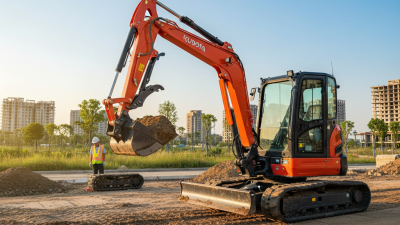
Choosing the right undercarriage can determine how efficiently an excavator works each day. Replacement rubber tracks offer a practical option when existing tracks show cracked lugs, exposed cords, or uneven wear. They can restore traction without forcing owners to replace the entire machine. This matters on landscaping sites, utility projects, and construction work near finished surfaces.
Experienced operators often notice the difference before managers do. A quality track reduces vibration through the cab and leaves fewer marks on paved driveways. Its reinforced rubber compound also helps absorb repeated contact with gravel, soil, and concrete edges. However, performance depends on more than appearance. Track width, pitch, machine weight, sprocket condition, and operating conditions must match carefully. A poor fit may cause premature wear, difficult installation, or unnecessary downtime.
Fit matters most.
Reliable suppliers typically provide technical specifications, load guidance, and installation support. They should explain how their replacement rubber tracks perform across different ground conditions, rather than making broad promises. Buyers should inspect the excavator’s rollers and idlers before installation, because worn components can damage new tracks quickly. Regular cleaning, correct tension, and slow turning on abrasive surfaces can extend service life. Still, no rubber track lasts forever. Some purchasing decisions may look economical at first, yet become expensive after frequent adjustments or early replacement. Careful evaluation gives equipment owners a clearer balance between cost, comfort, durability, and jobsite protection. That balance is the real reason many professionals choose replacement rubber tracks.
What Are Replacement Rubber Tracks? Sizes, Treads, and 400–600 mm Widths
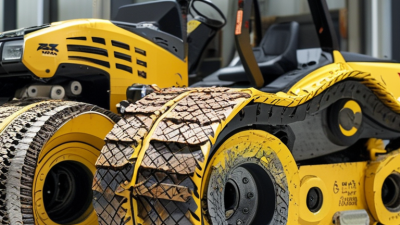
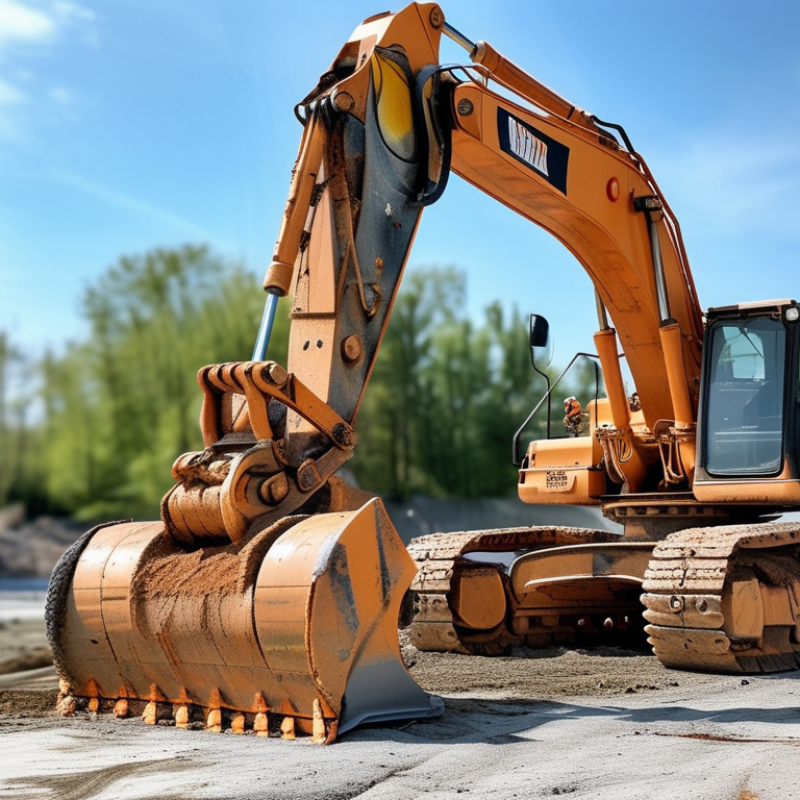
Replacement rubber tracks are continuous belts that move an excavator across soil, gravel, and paved surfaces. They combine steel reinforcement with flexible rubber compounds. This design reduces ground damage and operator vibration. Less vibration matters.
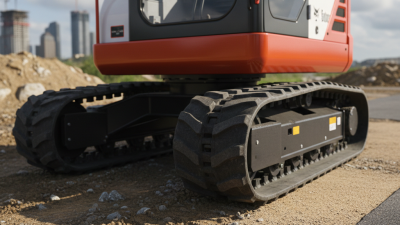
In practical replacement work, size selection begins with the old track. Read its molded markings, then measure length, width, and pitch. Widths from 400 to 600 mm suit many medium and larger excavators. A 400 mm track may improve access in restricted areas. A 600 mm track can provide greater flotation on soft ground. Width alone is not enough. Pitch and link count must also match the undercarriage. Small errors become expensive. Inspect the sprocket, rollers, and idlers before installation, because worn components can damage a new track quickly.
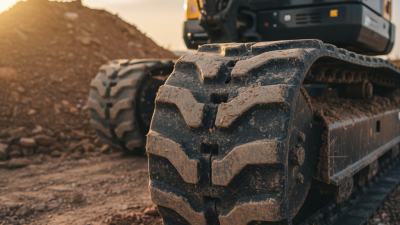
Tread design should reflect the working surface. Block patterns offer balanced traction for mixed construction sites. Wider bars can perform well in mud, while closely spaced lugs may feel smoother on firm ground. Deep tread is useful, but it is not automatically better. Hard surfaces can accelerate uneven wear. There is no perfect tread.
From field experience, operators often replace tracks too late. Cracks, exposed steel, and irregular lug wear deserve attention. I have also seen good tracks fail because tension was set incorrectly. Manufacturer specifications remain important, although real site conditions may require careful adjustment. Record the machine model, measurements, soil type, and daily operating hours before ordering. That simple record improves fit and future maintenance decisions.
How Rubber Tracks Reduce Excavator Ground Pressure to 20–30 kPa
Why Choose Replacement Rubber Tracks for Excavators?
How Rubber Tracks Reduce Excavator Ground Pressure to 20–30 kPa
Rubber tracks spread an excavator’s weight across a wider, continuous footprint. This distribution can reduce ground pressure to approximately 20–30 kPa. The exact figure depends on machine weight, track width, attachment load, and soil conditions. Pressure matters on wet lawns, landscaped areas, and soft clay.
Less pressure means fewer deep ruts beneath the undercarriage. It also helps the excavator travel across finished surfaces with better stability. In field inspections, I look for compressed soil, damaged turf, and track deflection before recommending replacements. These details reveal more than a catalog number. A properly sized rubber track supports smoother movement and reduces sudden sinking.
The result is not magic. Worn tracks, incorrect tension, or an overloaded attachment can still increase ground pressure. I once assumed wider tracks always solved the problem, but poor tension caused uneven contact. That mistake changed how I check replacement parts. I now compare operating weight, tread design, rubber condition, and manufacturer specifications together. Track pads should sit evenly on the ground, without exposed damage or excessive flex. On very soft ground, even 20–30 kPa may remain too high, so operators should reduce unnecessary loads and avoid sharp turns. Small checks can prevent expensive surface repairs.
Rubber vs. Steel Tracks: Vibration, Noise, Weight, and Surface Protection
Why Choose Replacement Rubber Tracks for Excavators?
Rubber tracks can make an excavator feel noticeably calmer on paved sites. Steel tracks transmit sharper impacts through the undercarriage and surrounding ground. Rubber absorbs part of that contact shock, although the result depends on tread design, tension, and soil conditions. NIOSH’s Criteria for a Recommended Standard: Occupational Noise Exposure identifies 85 dBA over eight hours as a recommended exposure limit. Rubber tracks cannot guarantee compliance, but they may reduce impact noise during travel. The operator still needs measured site data.
Vibration matters too. ISO 2631-1 evaluates whole-body vibration through weighted acceleration and exposure time. A rubber track may soften jolts across concrete, especially when crossing joints or broken edges. It is not magic. Poor tension can create bouncing, uneven wear, and uncomfortable movement. I have seen operators blame the cab when the track adjustment was the real problem.
Weight also changes practical performance. Rubber assemblies are commonly lighter than comparable steel systems, which can simplify transport and reduce ground pressure. That helps on lawns, finished paving, and drainage-sensitive surfaces. A 2023 ground-engaging equipment review from the Association of Equipment Manufacturers notes that machine weight, contact area, and soil strength must be assessed together. Surface protection is therefore conditional, not automatic. Clean tracks, correct tension, and slower turns matter. Replacement decisions should compare actual machine weight, track width, working hours, and the site’s surface tolerance.
How to Match Track Size, Load Rating, Tread, and Undercarriage Design
Why Choose Replacement Rubber Tracks for Excavators?
Choosing replacement rubber tracks starts with accurate measurement, not a quick visual comparison. Measure width, pitch, and link count from the existing track. A small pitch error can create poor sprocket engagement, vibration, and accelerated wear. ISO 16715:2014 provides relevant dimensional guidance for excavator track systems, but machine-specific instructions still matter. Fit matters.
Load rating deserves equal attention. Check the excavator’s operating weight, attachments, ground pressure, and working surface. A 2.5-ton excavator carrying a breaker faces different stress from the same machine lifting light soil. The 2024 Off-Highway Research market outlook identifies compact equipment as a major source of global construction-machine demand, which means many replacement decisions involve frequent transport and tight urban sites. For those conditions, balanced load distribution and low ground disturbance are practical advantages.
Tread selection should match the terrain. Block treads suit mixed soil and general construction, while bar-style patterns can improve grip on softer ground. Deep tread is not always better; it may increase rolling resistance and collect clay. Inspect the undercarriage before ordering. Worn rollers, damaged sprockets, or incorrect tension can destroy a new track prematurely. I have seen a correctly sized track fail early because the rollers were ignored. That mistake is easy to repeat. Manufacturer service data, field inspection, and the ISO 16715 dimensions should be checked together. A perfect match on paper can still perform badly in real mud.
When Replacement Rubber Tracks Provide 1,000–2,000 Operating Hours
Replacement rubber tracks can deliver 1,000–2,000 operating hours on excavators when working conditions and maintenance are properly controlled. This range is practical, not guaranteed. Soft soil, moderate loads, correct track tension, and careful operation usually support longer service life. Rocky ground, demolition debris, sharp turns, and hot pavement can shorten it quickly.
In field inspections, I look for uneven lug wear, exposed steel, cuts, and loose sections. Small cracks around the track edges deserve attention. They often appear before a serious failure. Daily cleaning also matters. Mud packed inside the undercarriage increases friction and hides damaged components. Operators should avoid spinning the tracks unnecessarily, especially on concrete or asphalt. Gentle turns leave fewer stress marks.
One point needs honest consideration. A cheaper replacement track may not be cheaper over its full service life. Poor rubber quality, weak internal cables, or incorrect sizing can create frequent downtime. I once saw a track fail early because tension was adjusted too tightly. The machine worked normally, but the rollers carried excessive pressure. That mistake was avoidable.
Operating hours depend on more than the track itself. Machine weight, travel speed, climate, storage, and operator habits all influence wear. Regularly checking sprockets, rollers, and idlers helps protect the new tracks. Good records make the estimate more reliable, even when actual results vary.