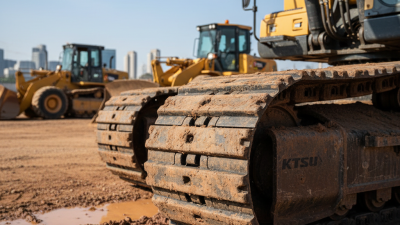
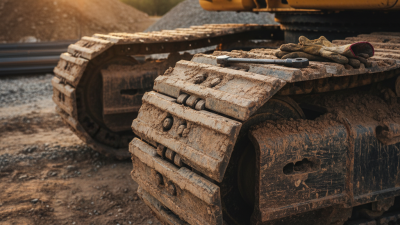
Choosing the right cat rubber tracks is not a simple matter of matching a machine model to a product listing. A compact excavator working on wet clay faces different demands from a loader crossing sharp gravel. Track width, pitch, link count, tread pattern, and guide design must agree with the machine’s undercarriage. One small mismatch can cause poor alignment, accelerated wear, or costly downtime.
A dependable selection process begins with the operator’s real working conditions. Check the machine plate and owner’s manual, then confirm every measurement with a trusted track supplier. Record the track size, sprocket condition, roller wear, expected load, and average daily hours. Mud may require an open tread that cleans itself. Finished concrete may call for a gentler pattern and better surface protection. Temperature, turning habits, and transport frequency also matter. They are easy to overlook.
Quality evidence matters as much as fit. Look for clear material specifications, reinforced steel cores, consistent rubber compounding, warranty terms, and technical support. A low price can look attractive beside a worn machine, but frequent replacement may erase the saving. This guide explains how to compare cat rubber tracks through practical checks, supplier questions, and installation advice. Some decisions remain uncertain without inspecting the undercarriage. That is the honest part. Good selection reduces risk; it does not eliminate every failure.
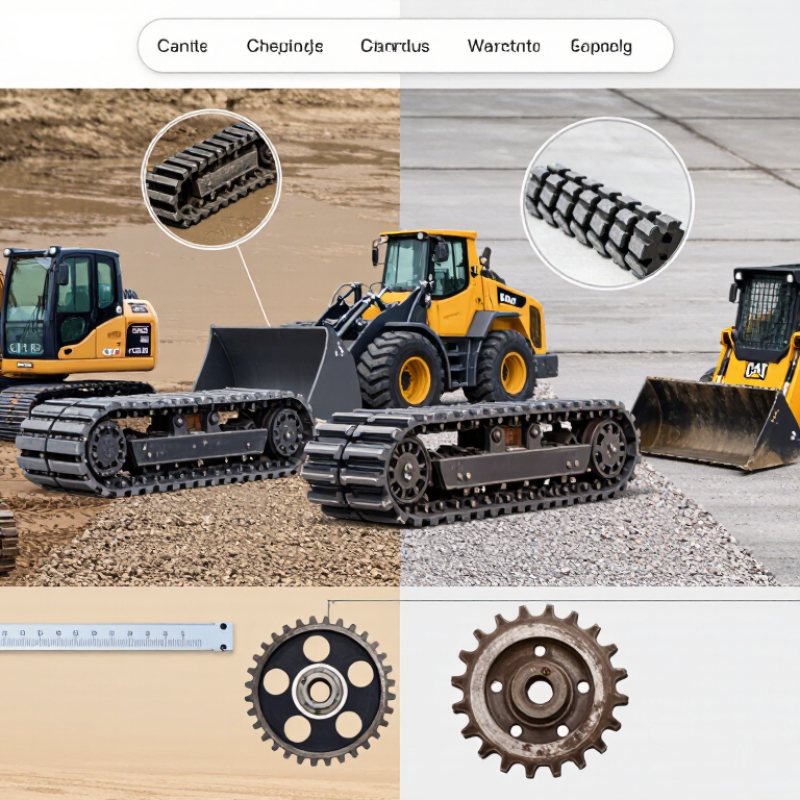
Choosing the correct rubber track begins with machine compatibility, not tread appearance. Confirm the track’s width, pitch, link count, and sprocket pattern. These dimensions must match the existing undercarriage. A small mismatch can cause derailment, uneven wear, or damaged rollers.
Track type also matters. Excavators often need deeper lugs for muddy rotation work. Compact loaders usually require reinforced carcasses and smoother patterns for mixed surfaces. Consider machine weight, hydraulic power, working hours, and ground conditions. The 2024 Global Construction Equipment Market report by Off-Highway Research shows continued demand for compact equipment in urban projects. This supports the need for durable, low-ground-pressure tracks. However, market growth does not guarantee that every replacement track fits every machine.
Tips: Measure twice. Check the service manual, then compare the old track’s markings. Inspect frame clearance with the track fully tensioned. A track that looks wider may still have the wrong pitch. The European Tyre and Rubber Manufacturers’ Association highlights compound design and heat control as important durability factors. In field use, sharp aggregate often exposes weak sidewalls quickly. I once underestimated this detail. It was a costly reminder. Ask the supplier for load ratings, compound information, and a written compatibility confirmation. After installation, recheck tension after several working hours. Loose tracks derail; excessive tension accelerates bearing and roller wear.
| Track Type | Typical Application | Key Construction Features | Main Advantages | Limitations | Best Surface Conditions |
|---|---|---|---|---|---|
| Standard rubber track | General-purpose compact excavators, loaders, and tracked carriers | Continuous rubber belt with embedded steel cables and molded tread blocks | Balanced traction, ride comfort, flotation, and operating cost | Can wear faster on abrasive ground or when exposed to sharp debris | Soil, grass, gravel, light mud, and mixed job-site conditions |
| Heavy-duty reinforced track | Machines working for long hours or carrying heavier loads | Higher-strength steel reinforcement, thicker rubber, and strengthened tread areas | Improved resistance to stretching, cuts, impact, and premature separation | Usually heavier and more expensive; may increase rolling resistance | Construction sites, demolition areas, rocky ground, and frequent transport work |
| Low-ground-pressure track | Machines operating on soft soil, lawns, wetlands, or landscaped areas | Wider track profile or tread design intended to distribute machine weight | Lower ground pressure, better flotation, and reduced surface rutting | May reduce maneuverability in confined spaces and can cost more | Wet soil, turf, sand, agricultural land, and finished landscaping |
| Non-marking track | Indoor construction, concrete floors, sports grounds, and sensitive paving | Rubber compound formulated to reduce dark transfer marks on finished surfaces | Helps protect floors and reduces post-work cleaning requirements | Compound may not provide the same abrasion resistance as heavy-duty rubber | Concrete, asphalt, indoor slabs, paved walkways, and finished surfaces |
| Aggressive-tread track | Excavation, earthmoving, and work requiring high drawbar traction | Deep, open tread pattern with pronounced lugs and reinforced contact areas | Strong grip, improved climbing ability, and effective mud clearing | More vibration and surface disturbance; may wear faster on hard pavement | Mud, slopes, loose soil, uneven ground, and soft construction terrain |
| Machine Category | Common Operating Weight Range | Typical Track Width Range | Recommended Track Characteristics | Compatibility Checks |
|---|---|---|---|---|
| Mini excavator | Approximately 1–8 tonnes | Approximately 180–450 mm | Standard or reinforced tracks; non-marking options for finished surfaces | Confirm pitch, link count, width, sprocket tooth engagement, and clearance inside the undercarriage |
| Compact track loader | Approximately 2.5–6 tonnes | Approximately 300–450 mm | Heavy-duty construction with durable tread and strong lateral stability | Check drive-lug shape, guide-lug spacing, track tension range, and frame clearance |
| Tracked carrier | Approximately 1–10 tonnes | Approximately 180–500 mm | Reinforced tracks for payload work; low-ground-pressure tracks for soft terrain | Verify load rating, track length, roller contact pattern, and hydraulic or mechanical tensioning method |
| Compact dozer | Approximately 3–10 tonnes | Approximately 300–500 mm | High-strength steel reinforcement and aggressive tread for pushing and grading | Check machine weight, sprocket profile, roller spacing, and manufacturer-approved tension setting |
| Rubber-track utility machine | Approximately 0.8–3 tonnes | Approximately 150–350 mm | Flexible standard tracks for light work or non-marking tracks for indoor use | Measure the existing track carefully because small machines often use different pitches and guide patterns |
| Measurement | How to Identify It | Why It Matters | Common Matching Error |
|---|---|---|---|
| Track width | Measure across the outside edge of the track in millimetres | Determines machine clearance, ground pressure, and overall stability | Selecting a nearby width that rubs against the frame or changes machine balance |
| Track pitch | Measure the centre-to-centre distance between consecutive drive-lug positions | Must match the sprocket and determines the track’s rolling geometry | Confusing pitch with the total track length |
| Track length | Use the printed size where available or count the links and multiply by pitch | Ensures correct fit around the sprocket, idler, and bottom rollers | Ordering by width alone without checking link count |
| Guide-lug configuration | Inspect the centre guide arrangement and compare it with the existing track | Controls alignment on rollers and prevents derailment | Matching dimensions but using an incompatible guide-lug style |
| Machine and undercarriage condition | Inspect sprockets, rollers, idlers, bearings, and tensioning components | Worn metal components can shorten the life of a new rubber track | Replacing tracks while leaving severely worn sprockets or rollers in service |