Why Choose Aftermarket Excavator Tracks for Your Equipment?
When it comes to maintaining your excavator, the choice of tracks matters significantly. Aftermarket excavator tracks often provide advantages over their OEM counterparts. They may offer enhanced durability and cost savings, making them a popular choice among construction professionals.
One of the main benefits of aftermarket excavator tracks is their affordability. These tracks can deliver similar or even improved performance at a lower price. This cost-effectiveness can be crucial for businesses looking to maximize their budget. However, it's essential to research the quality before purchasing. Not all aftermarket options are created equal, and poor choices can lead to breakdowns.
Investing in aftermarket excavator tracks may seem like a practical decision. Yet, the potential risks should not be overlooked. Issues like improper fit or inadequate performance might arise. Equipment downtime due to faulty tracks can result in lost revenue. Hence, thoughtful evaluation before making a decision is necessary.

Benefits of Aftermarket Excavator Tracks Over OEM Options
Aftermarket excavator tracks offer notable advantages over OEM options. Industry reports indicate that aftermarket tracks can save users up to 30% on costs while providing comparable durability. Construction companies often face tight budgets. Choosing aftermarket tracks can significantly impact the bottom line.
Additionally, aftermarket tracks can enhance performance. Many users report improved traction and better compatibility with various terrains. In an industry where downtime costs money, reliable tracks are essential. Performance data shows that aftermarket options frequently meet or exceed OEM specifications.
However, quality can vary widely among aftermarket products. Users must research and choose carefully. Not all aftermarket tracks are created equal. Some may wear out faster than expected or fail to provide the needed support. Potential buyers should consult industry reviews and peer recommendations to ensure the best fit for their equipment.
Cost-Effectiveness of Aftermarket Excavator Tracks Explained
Aftermarket excavator tracks are often more affordable than OEM options. This cost-effectiveness is appealing to budget-conscious operators. The savings can be significant. Many find they can cut expenses without sacrificing quality. Aftermarket tracks are designed to meet or exceed original specifications.
Tips: Always check the material used in the tracks. Rubber and steel are common, but quality varies greatly. Look for detailed reviews or feedback from other users. It provides insights that can guide your decision.
Additionally, maintenance is crucial for longevity. With aftermarket tracks, proper installation and regular inspections are necessary. Some might overlook this. Neglecting maintenance can lead to costly repairs later.
Choosing the right aftermarket tracks can be frustrating. There are many options available. Be prepared to compare features and prices. Take your time to ensure you make the best choice for your equipment.
Durability and Performance of Aftermarket Excavator Tracks
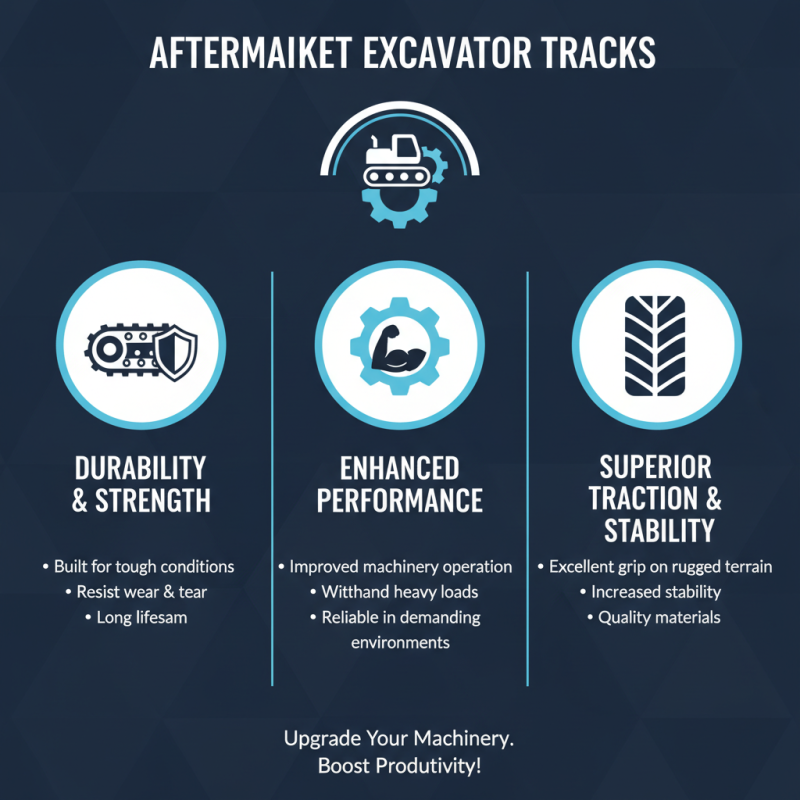
Aftermarket excavator tracks offer a blend of durability and performance that can enhance machinery operation. These tracks are designed to withstand tough conditions, including rugged terrains and heavy loads. Many users appreciate how these tracks resist wear and tear effectively. They have a reputation for long life, even in demanding environments. The materials used in these tracks often provide excellent grip and traction, essential for stability while working.
However, not all aftermarket tracks are created equal. Some may not match the original equipment specifications, leading to potential fit and performance issues. Users have reported variations in quality, which can affect overall machinery efficiency. Choosing a reliable supplier can mitigate these risks, ensuring better performance. Recognizing that there might be imperfections in components allows for more informed decisions. Evaluating and researching options can lead to better outcomes, even if the journey comes with its obstacles.
Compatibility and Variety in Aftermarket Excavator Track Selection
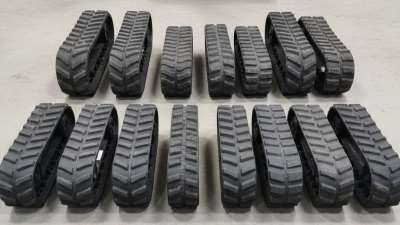
Aftermarket excavator tracks offer a wide range of options to suit various machinery models. This variety allows equipment owners to find tracks that fit their specific needs. For instance, tracks can vary in material, width, and tread pattern, which can influence performance in different environments. An operator might choose rubber tracks for soft ground or steel tracks for rugged terrain. This flexibility is a key advantage.
However, selecting the right aftermarket tracks can be daunting. Compatibility is crucial, and not all tracks will fit every model. Equipment owners might find themselves confused by specifications. It’s essential to consult with experts or conduct thorough research. Many options exist, but without proper guidance, the wrong choice can lead to increased wear or even damage to the equipment.
Sometimes, lower-cost options may compromise quality. This can lead to unexpected maintenance issues down the line. While aftermarket tracks can be appealing, a careful evaluation is needed. Not every option may meet durability standards. Balancing cost and quality is vital. In the end, the right aftermarket track can enhance equipment performance, but it demands thoughtful consideration.
Aftermarket Excavator Tracks Selection Analysis
This chart illustrates the compatibility and variety of aftermarket excavator tracks available based on their dimensions and material type. It highlights how various factors such as width, height, and rubber type influence the selection of aftermarket tracks for different excavator models.
Maintenance and Support for Aftermarket Excavator Tracks
Aftermarket excavator tracks provide great benefits when it comes to maintenance. They are designed to be durable, yet they require proper care to ensure longevity.
Regular inspections help identify wear and tear before they become serious issues. Check the tension of the tracks frequently. This simple step can prevent unnecessary damage and costly repairs.
Consider cleaning the tracks after each use. Dirt and debris can accelerate wear. A quick wash can save time and money down the road. Proper lubrication is also essential. Apply lubricant where needed to avoid squeaking and malfunction.
Tip: Keep a maintenance log. This helps track repairs and replacements. You’ll notice patterns and better manage your equipment. Regular upkeep extends the life of tracks. Don't underestimate the little things. Even minor adjustments can make a significant difference in performance. Building a maintenance routine keeps your excavator running smoothly.