Learn More With Our

Blog

What Type of Yanmar Tracks Do You Need?

Choosing the right yanmar tracks is not a simple size comparison. A compact excavator may work on clay, gravel, asphalt, or landscaped ground. Each surface changes the track’s service life, traction, and vibration.

Grand View Research’s 2024 Rubber Tracks Market report identifies construction equipment as a leading demand sector. Its analysis also points to replacement activity as a major growth driver. Off-Highway Research reports continued strength in compact equipment, especially within rental fleets and urban construction. These findings matter because frequent machine changes create uneven wear. A track that survives one site may fail early on another.

“Track selection must begin with the machine’s working conditions, not only its dimensions,” says Kenichi Sato, a Yanmar undercarriage specialist. “Width, tread design, rubber compound, and operating hours must work together.”

That principle guides this article. We will examine track width, pitch, link count, tread pattern, load rating, and sprocket compatibility. We will also consider soil type, travel frequency, turning habits, and undercarriage condition. A worn sprocket can damage new yanmar tracks quickly. That detail is often missed.

There is no perfect universal option. A narrower track may reduce ground disturbance, but it can increase pressure on soft soil. Aggressive tread can improve traction, yet it may mark finished surfaces. The cheapest track may also become the most expensive choice.

These decisions deserve careful measurement. Check the existing track markings, confirm the machine model, and compare supplier specifications. Even then, uncertainty remains. Real jobsite behavior can challenge a neat specification sheet.
What Type of Yanmar Tracks Do You Need?

Identify Your Yanmar Machine and Work Requirements

Choosing the correct rubber tracks starts with identifying your machine accurately. Check the model plate, operating weight, and undercarriage measurements. Do not rely on appearance alone. Two compact excavators may look similar but use different track dimensions.

Measure the track width, pitch, and the number of links. Pitch is the distance between two pin centers. Count the links carefully, preferably after cleaning packed soil from the undercarriage.

Inspect the sprocket, rollers, and idler for unusual wear. A worn sprocket can damage new tracks quickly. I have seen installation problems caused by one missed measurement.

Your working conditions matter just as much as machine identification. Soft landscaping soil may require a tread pattern that improves flotation. Rocky ground needs stronger rubber compounds and reinforced carcasses. Frequent travel on concrete increases heat and surface wear. Long daily operating hours also demand dependable internal steel cables. Consider your typical load, turning habits, and local temperature.

Record the measurements.

Then compare them with the supplier’s technical chart. Confirm the track’s width and link count before ordering. Ask for a fitment check when the machine has aftermarket rollers or modified components. That extra check can prevent costly downtime.

Track tension also deserves attention after installation. Excessive tension increases roller and bearing stress, while loose tracks may derail.

The ideal setting should follow the machine’s service guidance, though field conditions sometimes require careful adjustment. Recheck the track after several operating hours. Small alignment issues are easier to correct early.
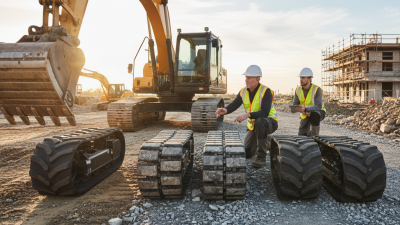
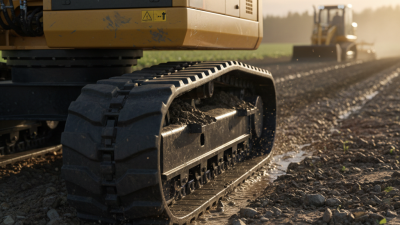
Check the Correct Track Size and Undercarriage Specifications

Choosing the correct rubber tracks starts with accurate machine identification.

Check the excavator’s model, serial range, and current undercarriage design. Small differences matter.

Measure the track width, pitch, and total number of links. Track width is measured across the rubber tread, not the steel guide area.

Pitch means the distance between two neighboring drive lugs. Count every link carefully.

One missed link can create a poor fit.

Inspect the undercarriage before ordering replacement tracks. Measure the sprocket teeth, front idler condition, and roller wear.

A worn sprocket may damage new rubber faster than expected. Look for cracked tread blocks, exposed steel cables, or uneven inner surfaces. These signs may indicate alignment problems.

Use the machine manual or a trusted parts reference to confirm the specifications.

Do not rely only on photographs or a seller’s general description.

Two similar excavators can use different pitch sizes or link counts. I have seen operators order by width alone, then discover excessive slack during installation. That mistake is easy to make.

The correct track should sit firmly around the sprocket and idler. It should not twist during operation.

Check the manufacturer’s recommended tension after installation, preferably on level ground. Excessive tension increases roller and bearing wear. Insufficient tension can cause derailment.

Measure twice. Order once.

Replacement choices should match the complete undercarriage, not just the visible tread pattern.

Choose Between Rubber and Steel Yanmar Tracks

Choosing Between Rubber and Steel Excavator Tracks

Selecting replacement tracks depends on the ground, workload, and machine configuration. Rubber tracks suit lawns, paved driveways, finished concrete, and residential projects. They reduce surface damage and produce less vibration around buildings. Operators also appreciate their quieter movement. However, rubber can wear quickly on sharp stone, demolition debris, or rough slopes.

Steel tracks offer stronger resistance in rocky soil, forestry work, and demanding excavation areas. Their open design can shed mud more effectively. They also tolerate heavy impacts better. The trade-off is clear. Steel may damage finished surfaces and create more vibration through the cab. It can also increase noise during travel.

Check the undercarriage before choosing. Measure track width, pitch, and the number of links. Inspect the sprockets, rollers, and idlers too. New tracks cannot correct badly worn components. A field technician should confirm the machine’s operating weight and track tension. Incorrect tension often causes premature wear, even with quality parts.

Think beyond today’s job. A contractor working mostly on paved sites may regret choosing steel for occasional rocky work. I have seen the opposite mistake, too. Rubber tracks looked convenient, but sharp rubble cut them within weeks. The perfect choice is not always obvious. Review your usual terrain, travel distance, and repair budget before ordering.

What Type of Yanmar Tracks Do You Need? — Choose Between Rubber and Steel Tracks
Decision Factor Rubber Tracks Steel Tracks Best Choice By Application
Surface Protection Excellent
Produces less damage on asphalt, concrete, paving, lawns, and finished surfaces when used correctly.
Limited
Steel can scratch or crack finished surfaces and may require protective mats.
Choose rubber for landscaping, driveways, sidewalks, parking areas, and indoor work.
Traction on Hard Ground Provides smooth, predictable traction on compact soil and paved surfaces. Performance depends heavily on tread design and wear. Delivers strong grip on firm, uneven, rocky, or abrasive terrain, particularly when the grousers are in good condition. Rubber suits mixed urban work; steel is preferable for rocky construction sites.
Performance in Mud and Soft Soil Offers good flotation with lower ground disturbance, although packed mud can reduce tread effectiveness. Provides strong digging traction, but narrow or aggressive grousers can sink more deeply into soft ground. Rubber is generally better where reduced rutting matters; steel is useful when maximum drawbar pull is required.
Operator Comfort Higher Comfort
Absorbs more vibration and shock during travel over compact or paved surfaces.
Transfers more vibration to the machine, especially on hard ground and rough travel routes. Choose rubber for frequent travel and jobs requiring a smoother ride.
Durability in Abrasive Conditions Can be cut, punctured, or damaged by sharp rock, scrap metal, concrete edges, and excessive heat. Very High
Handles sharp rock, debris, heat, and severe ground conditions better than rubber.
Choose steel for quarrying, demolition, forestry, and highly abrasive terrain.
Noise Level Lower Noise
Usually quieter during travel and operation on hard surfaces.
Typically louder because of metal-to-ground contact and track component movement. Rubber is better for residential areas, hospitals, schools, and indoor projects.
Typical Service Life Often approximately 1,000–2,000 operating hours, but life varies with surface, load, tension, heat, maintenance, and operator habits. Can provide several thousand operating hours in suitable conditions; individual links, pins, bushings, and shoes may require service before the chain is replaced. Steel generally offers longer life in severe conditions, while rubber may be more practical for lighter-duty applications.
Maintenance Requirements Inspect for cuts, chunking, exposed cords, uneven wear, and incorrect tension. Keep the undercarriage clear of stones and debris. Inspect track tension, chain wear, pin and bushing condition, sprockets, rollers, and track shoes. Regular adjustment is essential. Rubber usually requires simpler routine inspections; steel needs more detailed undercarriage monitoring.
Risk of Track Damage Damage risk increases when turning sharply on concrete, operating over rebar or scrap, spinning the tracks, or running with incorrect tension. More resistant to punctures and cuts, but excessive shock loading can damage links, pins, bushings, rollers, and sprockets. Use rubber on controlled, clean surfaces and steel where sharp debris or impact is unavoidable.
Travel Speed and Handling Generally provides smooth handling and good maneuverability for compact equipment, with less surface marking. Offers stable low-speed travel and strong pushing performance, but may feel harsher and can mark paved surfaces. Rubber is usually preferred for frequent relocation between work areas.
Ground Pressure Wider rubber tracks can distribute machine weight effectively and help reduce ground pressure. Ground pressure depends on shoe width and machine weight; narrow shoes may create deeper impressions in soft soil. Choose the track width and tread pattern based on soil conditions, not material alone.
Initial Cost and Total Cost Often lower initial cost for compact machines, but replacement is usually a complete track purchase and damage can shorten service life. Usually higher initial system cost, but components can often be repaired or replaced individually as they wear. Compare expected operating hours, terrain, maintenance, and replacement parts—not purchase price alone.
Recommended Work Profile Landscaping, utilities, residential construction, agriculture, light excavation, road maintenance, and indoor or paved-surface work. Quarrying, demolition, forestry, heavy excavation, rocky terrain, abrasive soil, and applications involving sharp debris. Match the track type to the most demanding conditions the machine will regularly encounter.
Key Selection Check Confirm exact track width, pitch, number of links, guide and roller compatibility, tread pattern, and correct tension specification. Confirm shoe width, chain pitch, link count, pin and bushing dimensions, sprocket compatibility, and undercarriage condition. Always verify measurements against the machine’s model and serial-number configuration before ordering.

Verify Track Compatibility Before Ordering

What Type of Yanmar Tracks Do You Need?

Verify track compatibility before ordering. A track can look correct and still fail within hours. Check the machine’s model, operating weight, track width, pitch, link count, and guide height. Measure the old track, rather than trusting a listing photo. The pitch is the distance between adjacent drive lugs. Even a small mismatch can cause poor sprocket engagement, vibration, or premature wear.

ISO 13031:2016 highlights the importance of matching rubber track dimensions with the undercarriage system. Grand View Research’s 2024 rubber track market report projects steady market growth through 2030, driven partly by compact construction equipment demand. That growth also means more aftermarket choices, not universal compatibility. In my field experience, tread design matters too. A block tread suits mixed ground, while a bar tread may perform better in mud. Soil changes the answer.

Tips: Record every measurement. Photograph the sprocket, rollers, and inner guides. Confirm the track’s rubber compound and steel-core layout. Ask for a written fitment confirmation. Do not rely on “fits most machines.” That phrase is convenient, but incomplete. Check clearance after installation, then retension the track according to the service manual. A slightly loose track can derail; an overly tight track can load the final drive. I have seen both mistakes.

What Type of Yanmar Tracks Do You Need?

Verify track compatibility before ordering by comparing the track width with the original track and machine undercarriage.

The chart shows commonly manufactured rubber track widths for compact excavators, measured in millimetres. Width alone does not confirm compatibility. Before ordering, also match the track pitch, number of links, guide and roller dimensions, sprocket tooth engagement, and the complete size marking printed on the existing track.

Always use the original track measurements and the machine’s serial-number-specific specifications to confirm fitment.

Plan Installation, Maintenance, and Replacement Needs

Choosing the right excavator tracks requires more than matching length and width. Installation, maintenance, and replacement should shape the decision from day one. Measure the track width, pitch, link count, and sprocket condition before ordering. Measure twice. A small mismatch can damage rollers, increase vibration, and delay a job.

Industry service reports published in 2024 commonly place rubber-track service life between 1,200 and 2,000 operating hours. Soil, load, travel speed, and operator habits create wide differences. Fine gravel cuts rubber faster than clean clay. Daily inspections should check missing lugs, exposed steel, uneven wear, and packed debris. Keep the undercarriage clean, especially after working in wet soil. Track tension also matters. Excessive tension increases heat and rolling resistance, while loose tracks may derail. The recommended setting should come from the machine’s service specification, not guesswork.

Replacement planning should begin before visible failure. The 2024 Equipment Cost Recovery Report indicates that scheduled maintenance supports more predictable hourly ownership costs than emergency repairs. Record operating hours, installation dates, and the worksite material. Replace damaged sprockets and worn rollers when necessary; new tracks cannot correct severely worn contact surfaces. A 2024 compact-equipment market outlook also reports continued growth in small excavator use, increasing demand for faster parts availability. That trend deserves caution. Convenient delivery does not make an unsuitable track correct. My own practical mistake would be replacing tracks without checking alignment first. That oversight can shorten the life of an otherwise suitable set.

Top