What is Welding Protection and Why is it Important?
Welding Protection is a crucial aspect of the welding industry. It ensures the safety and health of workers by minimizing exposure to various hazards. Renowned welding safety expert, John Smith, once stated, "Proper welding protection can be the thin line between safety and disaster." This statement emphasizes how essential safety measures are in this field.
Welders face numerous risks, including intense heat, harmful radiation, and toxic fumes. Without adequate welding protection, these elements can lead to severe injuries and health issues. Many workers overlook the importance of proper gear, thinking accidents won't happen to them. However, safety should never be taken for granted.
Inadequate protection can result in burns, eye damage, and respiratory problems. Workers must be educated about the significance of using helmets, gloves, and protective clothing. It is not just about compliance; it's about safeguarding lives. As the industry evolves, so do the protective measures. Regular training and awareness campaigns are vital to reinforce the importance of welding protection. Ignoring these elements could lead to tragic consequences.
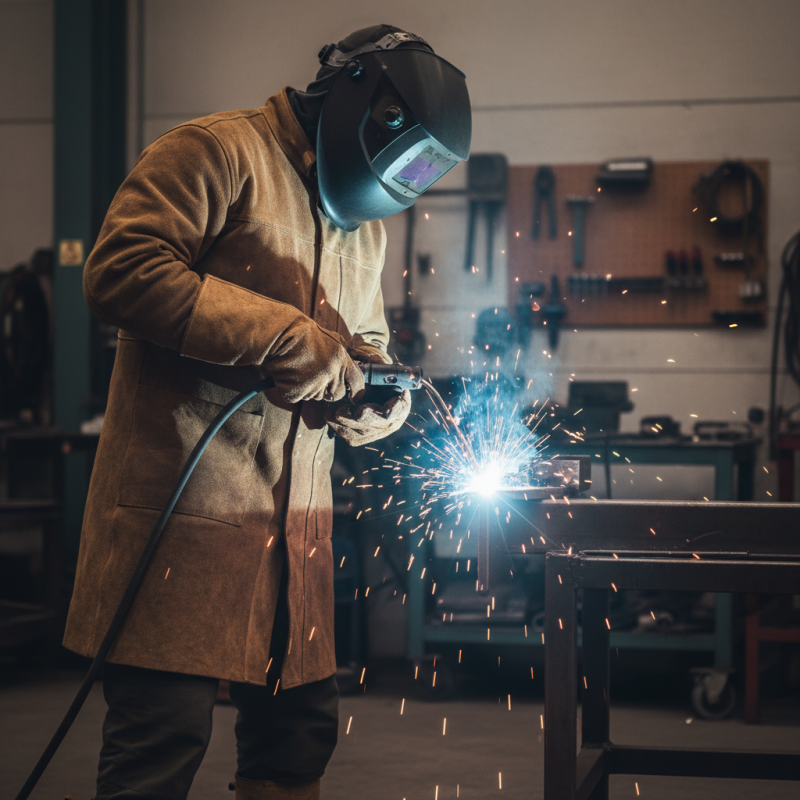
What is Welding Protection?
Welding protection refers to the safety measures and equipment designed to protect welders from hazards associated with welding practices. The process can produce intense heat, bright light, and harmful fumes. Therefore, understanding welding protection is crucial for every welder.
Personal protective equipment (PPE) is a key component. This includes welding helmets, gloves, and protective clothing. A good helmet with a proper filter shade is essential. It safeguards against harmful UV rays and bright flashes. Gloves made from heat-resistant materials help prevent burns. Flame-resistant clothing is a must to reduce the risk of injury from sparks and molten metal.
Moreover, the workspace must be safe. Proper ventilation minimizes exposure to harmful fumes. Well-organized work areas reduce the risk of accidents. However, some welders may overlook these safety aspects. This negligence can lead to serious injuries or long-term health issues. Reflecting on safety practices is vital for every welding professional. Taking pride in protection can enhance not just personal safety, but also the overall quality of work.
What is Welding Protection and Why is it Important?
| Protection Type | Description | Importance | Common Materials |
| Welding Helmets | Protects the eyes and face from sparks, heat, and UV radiation. | Essential to prevent eye injuries and burns. | Polycarbonate, fiberglass. |
| Protective Gloves | Protects hands from heat, burns, and electrical shock. | Prevents injuries and enhances grip on welding tools. | Leather, aluminized materials. |
| Protective Clothing | Resistant clothing to protect against burns and sparks. | Reduces the risk of severe burns and injuries. | Cotton, leather, flame-resistant fabrics. |
| Respirators | Filters harmful fumes and gases produced during welding. | Protects respiratory health by preventing inhalation of toxic substances. | Activated carbon, P100 filters. |
| Safety Boots | Protects feet from heavy objects and electrical hazards. | Essential for preventing foot injuries in a hazardous work environment. | Steel-toe, slip-resistant materials. |
Types of Welding Protection Equipment
Welding protection is essential for ensuring safety in workshops. Workers face various hazards, including sparks, heat, and harmful fumes. Proper equipment can significantly reduce risks associated with these dangers.
Various types of welding protection equipment are critical. One key item is the welding helmet. A good helmet shields the eyes from bright arcs and flying debris. It provides necessary face protection. Gloves are another essential piece. They protect hands from burns and cuts while allowing for dexterity.
Aprons and jackets made from flame-resistant materials help protect the body. Choose materials that resist sparks and heat. Respirators are crucial for those working in poorly ventilated areas. They filter harmful fumes and gases, enhancing breathing safety.
A lack of proper gear can lead to severe injuries or long-term health issues. It’s vital to always check equipment and ensure it’s up to standard. Regular inspections can help identify any wear and tear. Adapting to safety standards is not just about compliance; it's about self-care and valuing your health.
Importance of Welding Protection for Health and Safety
Welding protection is crucial for ensuring health and safety in welding operations. Welders face numerous hazards, including burns, fumes, and radiation. Proper protection can significantly reduce these risks. Without safety measures, the danger increases. This is why understanding welding protection is not just a choice; it’s essential.
Welding helmets should have a proper shade to protect eyes from intense light. Gloves must be heat-resistant to prevent burns while handling hot materials. Clothing should be non-flammable and fit snugly to avoid snagging. Even the right shoes matter—steel-toed boots can help reduce foot injuries.
Tips: Always check your equipment before starting a job. Ensure that your helmets and gloves are in good condition. Take regular breaks to avoid fatigue. This can help you maintain focus and prevent accidents. Each piece of safety gear contributes to a safer work environment. Failing to wear it can lead to serious health issues. It's important to make consistent use of protection a habit, not an afterthought.
Common Hazards in Welding and Protective Measures
Welding involves intense heat and sparks, exposing workers to numerous hazards. According to OSHA, welding ranks among the most dangerous jobs. Inconsistent safety measures can lead to severe injuries. Common hazards include exposure to harmful gases, high temperatures, and UV radiation. Each year, thousands of workers experience respiratory issues due to inadequate ventilation.
Proper protective gear is crucial. Welders should wear helmets with appropriate filters. Face shields provide additional protection from UV rays and sparks. Gloves must be durable, shielding against heat and sharp objects. Safety boots with steel toes are essential to prevent foot injuries from falling materials.
Despite the available protective measures, many welders overlook them. A survey by the American Welding Society highlights that 25% of welders do not use proper respiratory protection. This negligence can lead to long-term health issues. Continuous training on safety measures may reduce these risks. Regular assessments of equipment can also help ensure effective protection. Cultivating a culture of safety is key in preventing workplace hazards.
Welding Protection and Common Hazards
Best Practices for Using Welding Protection Equipment
Welding protection is crucial in safeguarding workers from hazardous conditions. Using the right equipment can make a significant difference. It’s not just about personal safety; it also impacts productivity.
When selecting welding protection gear, consider gloves, helmets, and protective clothing. Gloves must fit well and allow for dexterity. A poorly fitted glove can lead to accidents. Helmets should have proper lenses to shield eyes from bright light and sparks. Incorrectly adjusted helmets can be worse than no helmet at all. Protective clothing should be flame-resistant and cover all exposed skin. Enjoying comfort while welding can sometimes lead to risky choices.
Routine checks on your equipment are vital. Worn-out protective gear may not offer adequate safety. It’s essential to recognize when to replace old items. Regularly inspect your gloves, helmets, and clothing for damage. A small tear can escalate into a dangerous situation. Remember, a moment of carelessness can lead to severe injuries. Reflecting on your practices can lead to safer welding experiences in the future.


