Top 10 Equipment Tracks You Need to Know About?
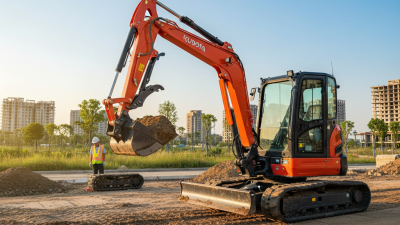
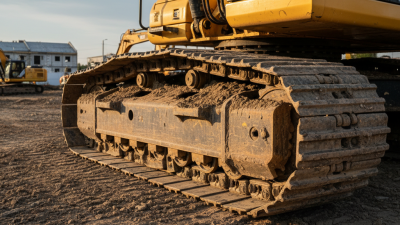
In the world of construction and heavy machinery, equipment tracks play a crucial role. These essential components ensure stability and mobility for various types of machinery. Knowing about different equipment tracks can enhance your understanding of their significance in the industry.
A variety of equipment tracks exist, designed for specific needs. Some tracks offer better traction on rugged terrain, while others provide smooth operation on flat surfaces. It can be challenging to choose the right track for your equipment. This choice affects productivity and efficiency.
Consider how the right equipment tracks impact your project. Improper tracks can lead to wear and tear, increasing costs. Reflecting on this can help you make informed decisions. Each track type brings unique advantages and drawbacks. Understanding them is more than just surface knowledge; it can change your approach to equipment management.
Essential Features of Equipment Tracks for Optimal Performance
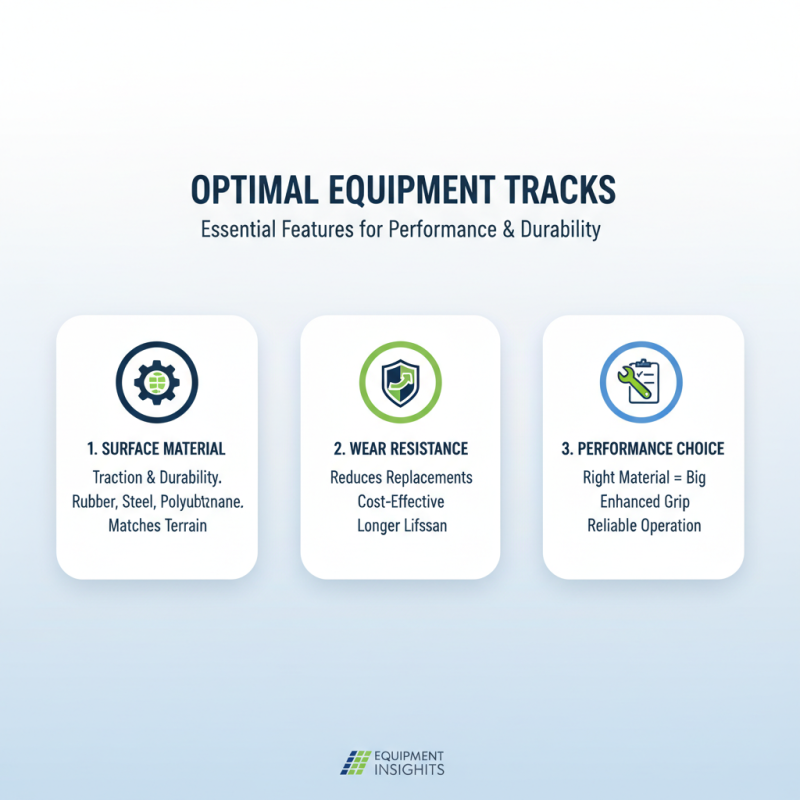
When considering equipment tracks, several essential features enhance optimal performance. The surface material matters greatly. Different materials offer various levels of traction and durability. Some tracks may wear down quickly, leading to costly replacements. Choosing the right material can make a substantial difference.
Another crucial aspect is the track width. Wider tracks provide better stability and load distribution. However, they can also be cumbersome in tight spaces. Users often find balancing these two factors challenging. A track too narrow may lead to instability, while a wide one could restrict maneuverability. Regular maintenance is vital, ensuring tracks remain in good shape. Any signs of wear should be addressed promptly, even small cracks.
Additionally, the track's design plays a significant role. Tracks designed for specific terrains will perform better in those conditions. Yet, using a one-size-fits-all approach is tempting. Risks arise without thorough consideration of the environment. For instance, tracks that are too smooth may slip on wet surfaces. Always think about these features to find the best fit for your needs.
Top Equipment Track Brands and Their Unique Offerings
When exploring the world of equipment tracks, it's essential to recognize the diversity of brands and their distinct offerings. In a recent industry report, it was noted that the global market for equipment tracks is projected to grow at a CAGR of 5.2% by 2030. This indicates a rising interest in versatile equipment solutions for various industries.
Many manufacturers focus on heavy-duty rubber tracks designed for heavy machinery. These tracks provide enhanced durability and traction on varied terrains. They are built for maximum load capacity, yet issues arise. Some tracks can wear prematurely if used on abrasive surfaces. This inconsistency can lead to downtime, which is costly for operators.
Another trend in the market involves environmentally friendly options. Some brands are developing biodiesel-compatible tracks that reduce emissions. While this is a step toward sustainability, not all sectors are ready to adopt these innovations. Many companies still rely on traditional materials, facing barriers to transitioning due to costs and performance concerns. This gap highlights the need for further research and development in sustainable practices within the equipment track industry.
Comparative Analysis of Track Materials and Durability
When considering equipment tracks, material choice impacts performance and longevity. Different materials, like rubber, steel, and polyurethane, each have unique properties. Rubber is flexible but can wear faster in tough conditions. Steel offers durability but is heavier and less forgiving on surfaces. Polyurethane combines the best of both, providing resilience with a lighter footprint.
Research shows that tracks made from high-quality rubber can last between 1,000 to 2,500 operational hours, while steel tracks may reach up to 5,000 hours under optimal conditions. However, these numbers can decrease with misuse or harsh environments. It’s essential to evaluate track usage and maintenance habits, as neglect can lead to reduced life span.
Tips: Regularly inspect tracks for wear. Small cracks can lead to larger issues. Always clean tracks after use to prevent debris buildup, which can compromise durability. Using the right materials not only saves costs but enhances efficiency. Ultimately, making informed choices can mean the difference between projects running smoothly or facing early wear and tear.
Maintenance Tips for Prolonging the Life of Equipment Tracks
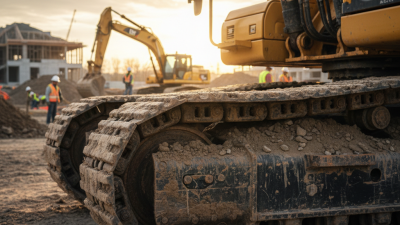
Maintaining equipment tracks is vital for their longevity. According to industry reports, proper maintenance can extend the life of tracks by up to 30%. Regular inspections should be part of your routine. Dirt and debris can create significant wear. Clean these surfaces frequently. A simple wash can prevent corrosion and reduce friction.
Track tension is also crucial. If it's too loose, tracks can come off. If it's too tight, they wear out faster. Adjusting tension every 100 operating hours is a good practice. Ignoring this can lead to unexpected breakdowns. Also, monitor your tracks for signs of damage. Small cracks can lead to larger issues. Addressing problems early saves money in repairs.
Lubrication is another key factor. Using the right lubricants can lower wear. Follow the manufacturer's guidelines for intervals. Many operators neglect this, leading to greater issues. Keeping track of these maintenance parts is essential. Consider using a maintenance log to stay organized. This habit helps identify patterns in wear and repairs, making planning easier.
Top 10 Equipment Tracks You Need to Know About - Maintenance Tips for Prolonging the Life of Equipment Tracks
| Track Type |
Material |
Common Applications |
Maintenance Tips |
Expected Lifespan (Years) |
| Rubber Tracks |
Rubber Compound |
Excavators, Mini Loaders |
Regular Inspections, Clean Debris |
4-7 |
| Steel Tracks |
Steel |
Bulldozers, Large Excavators |
Lubrication, Regular Tightening |
5-10 |
| Composite Tracks |
Plastic and Steel |
Telehandlers, Compact Loaders |
Keep Clean, Avoid Overloading |
3-6 |
| Traditional Steel Tracks |
Carbon Steel |
Mining Equipment |
Inspection of Wear, Re-tensioning |
7-12 |
| Heavy Duty Rubber Tracks |
Heavy Duty Rubber |
Skid Steers, Heavy Excavators |
Check Tread Depth, Keep Dry |
5-9 |
| Compact Rubber Tracks |
Synthetic Rubber |
Compact Tractors |
Maintain Air Pressure, Regular Cleaning |
3-5 |
| Agricultural Tracks |
Durable Rubber |
Agricultural Vehicles |
Regular Greasing, Check for Damage |
4-8 |
| Chain Tracks |
Metal and Rubber |
Crane Applications |
Inspect Links, Lubricate |
6-10 |
| Articulating Tracks |
Hybrid Material |
Versatile Equipment |
Routine Maintenance, Check for Wear |
5-7 |
| Custom Tracks |
Varied Materials |
Specialized Equipment |
Consult Manufacturer, Follow Custom Guidelines |
Varies |
Common Applications of Equipment Tracks Across Industries
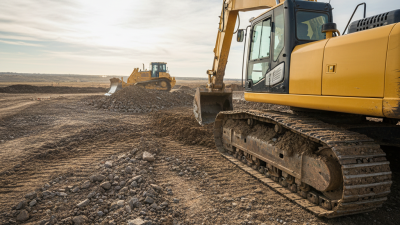
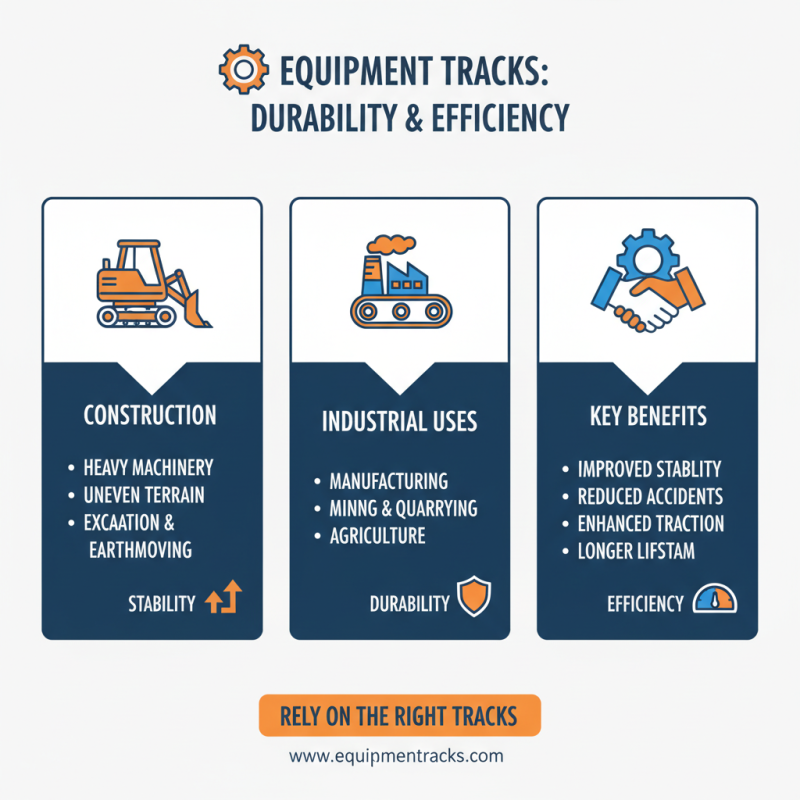
Equipment tracks play a crucial role across various industries. They are designed for durability and efficiency. In the construction sector, for instance, these tracks support heavy machinery on uneven terrain. Workers rely on them during excavation and earthmoving tasks. The right track can improve stability, which reduces accidents.
In farming, equipment tracks have their own importance. They minimize soil compaction, promoting better crop growth. Tractors equipped with these tracks can maneuver easily in muddy fields. This ensures that farmers can work year-round, regardless of weather conditions. However, not all manufacturers consider the local soil conditions when creating these tracks. This oversight can limit their effectiveness.
In landscaping, equipment tracks also find their application. They allow for easier transport of tools and materials. While effective, some operators find it difficult to choose the proper track for their specific needs. It requires understanding soil types and machine capabilities. This challenge can lead to mistakes, but it also sparks innovation within the industry.