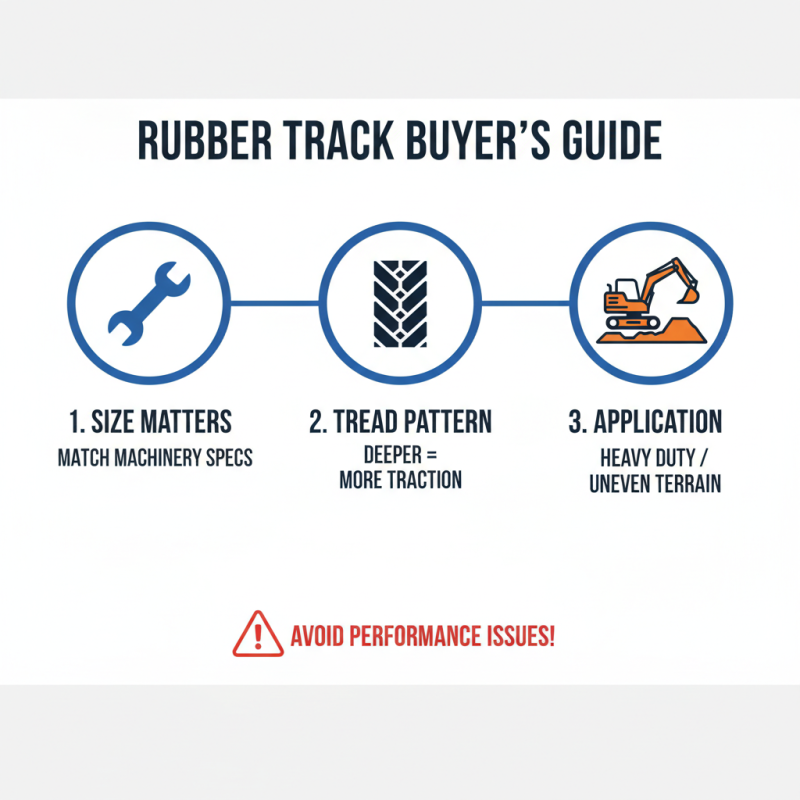
Top Replacement Rubber Tracks for Construction Machinery and Equipment?
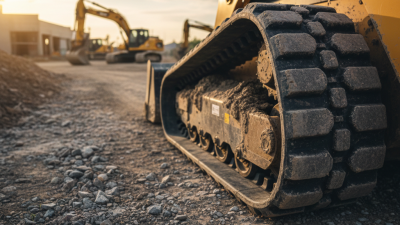
In the construction industry, durability and efficiency are paramount. Machinery often faces tough conditions, leading to wear and tear. One critical component that frequently needs replacement is the rubber track. Replacement rubber tracks are essential for maintaining the optimal performance of various equipment.
Quality tracks can enhance traction and stability on uneven terrain. They also protect the machine from damage, prolonging its lifespan. However, not all tracks are created equal. Selecting the right replacement rubber tracks requires research and understanding. The variety of options available can be overwhelming.
It's important to consider factors like material, tread design, and compatibility with the machine. Taking shortcuts in this process might result in poor performance. Investing time to evaluate choices helps to avoid future issues. It’s a matter of balancing cost and quality. Ultimately, choosing the best replacement rubber tracks sets the foundation for productivity and safety on the job site.
Overview of Rubber Tracks for Construction Machinery
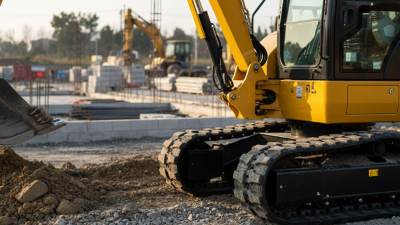
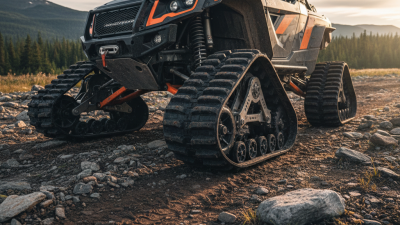
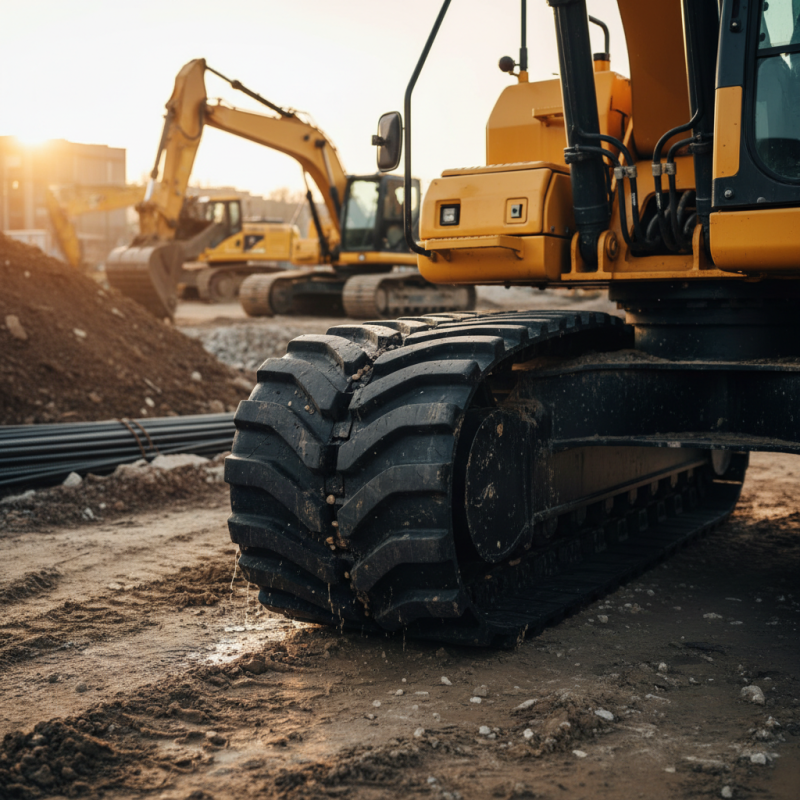
Rubber tracks play a vital role in construction machinery. They provide traction and stability on various terrains. Many machines, like excavators and skid steers, rely on these tracks for efficient performance. Choosing the right rubber track can enhance the machine's functionality.
These tracks come in different sizes and patterns. Some have a wider surface for better grip, while others are more suited for soft ground. The choice often reflects the specific use-case scenarios. For instance, operating on muddy sites requires tracks designed to resist slipping. However, not all tracks guarantee long-lasting performance.
Regular maintenance is essential to prolong the lifespan of rubber tracks. Cleaning them after work can prevent dirt accumulation. Inspecting for wear and tear is often overlooked. Small cracks may lead to bigger issues later. Finding the right balance between cost and quality can be challenging. Skimping on quality might save money initially, but it often leads to costly repairs. Investing in durable rubber tracks can ensure smoother operations.
Types of Rubber Tracks for Different Equipment
When it comes to construction machinery, choosing the right rubber track is crucial. Different equipment types require specific tracks tailored to their needs. For instance, mini excavators often use tracks designed for agility and compactness. These tracks help in navigating tight spaces on construction sites effectively.
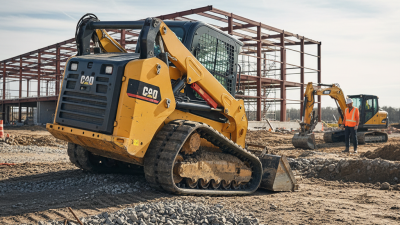
Skid steers, on the other hand, need rubber tracks with superior traction. These tracks can handle varied terrains. They enhance stability and reduce the risk of slipping. Operators sometimes overlook the importance of track maintenance. Regular checks can prevent costly downtimes and unexpected repairs.
Additionally, larger machinery like bulldozers require heavy-duty rubber tracks. These tracks should withstand intense pressure and rough conditions. It's essential to consider the weight and load capacity when selecting tracks. However, many users fail to recognize the specifications necessary for their specific machines. Understanding the nuances can significantly improve efficiency and safety on the job site.
Top Replacement Rubber Tracks for Construction Machinery and Equipment
| Equipment Type |
Track Size (Width x Pitch) |
Material |
Tread Pattern |
Weight (lbs) |
Load Capacity (lbs) |
| Excavator |
450mm x 90mm |
Natural Rubber |
Multi-Directional |
120 |
5500 |
| Skid Steer Loader |
320mm x 60mm |
Synthetic Rubber |
Aggressive Tread |
80 |
3000 |
| Mini Excavator |
300mm x 50mm |
Natural Rubber |
Standard |
70 |
2500 |
| Crawler Crane |
600mm x 100mm |
Synthetic Rubber |
Heavy Duty |
160 |
12000 |
| Track Loader |
400mm x 80mm |
Natural Rubber |
Interlocking |
110 |
4000 |
Top Brands and Models of Replacement Rubber Tracks
When it comes to construction machinery, rubber tracks play a crucial role in performance. The right rubber tracks can significantly enhance traction and stability on uneven terrains. A recent industry report highlights that 60% of construction accidents are linked to inadequate machinery maintenance. This underscores the importance of selecting quality tracks.
Top replacement rubber tracks come from several leading brands. They often range from 400 to 800 in tread designs, which improves grip in various conditions. The average lifespan of a rubber track is around 2,500 hours, depending on usage and maintenance. Regular inspections can prevent costly downtime due to track wear.
In terms of materials, high-quality rubber tracks use a blend engineered for durability and flexibility. Some models contain steel reinforcements to withstand heavy loads. However, not all tracks are created equal. Users sometimes overlook compatibility with their equipment. This can lead to serious operational issues. It's essential to always consult specifications before purchasing.
Maintenance Tips for Prolonging Rubber Track Lifespan
Rubber tracks are essential for construction machinery. They provide traction and stability. However, their lifespan can vary. Proper maintenance is crucial for longevity. According to industry reports, rubber tracks can last between 1,000 to 3,000 hours, depending on usage. Regular maintenance can help achieve the upper end of this range.
One effective way to extend the lifespan of rubber tracks is to keep them clean. Dirt and debris can cause wear. A simple wash after use can make a difference. Another tip is to regularly check the tension. Loose tracks can wear unevenly. Ensure proper alignment to avoid unnecessary strain and damage.
Monitoring track condition is vital. Look for signs of cracking or wear. Early detection can save money in the long run. Industry studies indicate that up to 30% of track failures can be avoided with proper inspections. Maintaining proper operating conditions also plays a critical role. Overloading machinery accelerates wear, leading to premature failure. Saving money on repairs starts with taking these small steps seriously.