Top Nitrile O Rings Suppliers for Global Buyers
Choosing the right Nitrile O Rings supplier affects sealing performance, maintenance costs, and production continuity. Global buyers need more than a low unit price. They must examine compound quality, dimensional control, testing practices, and delivery reliability. A ring that looks perfect on a sample tray may fail after weeks of oil exposure, heat, or pressure cycling.
Dr. Robert Flitney, a respected sealing engineer and author, explains the principle clearly: “A seal is only as good as the system in which it operates.” That observation remains practical today. Supplier evaluation should include material grade, hardness range, temperature limits, compression set, and resistance to fuels or hydraulic fluids. Buyers should also request inspection records, batch traceability, and technical data sheets. Small details matter. A missing certificate can delay an entire shipment.
This guide examines leading Nitrile O Rings suppliers serving international markets. It considers manufacturing experience, customization capacity, quality systems, export support, and response speed. Some suppliers excel at standard metric sizes. Others handle custom molds, large volumes, or demanding industrial applications. The best choice depends on the actual operating environment, not a polished website.
No ranking is perfect. Supplier performance can change with raw material availability, production load, or regional logistics. That weakness deserves attention. Buyers should verify current certifications, approve samples, and test parts under realistic conditions before placing a major order. A careful comparison reduces surprises and supports a more dependable sealing program.
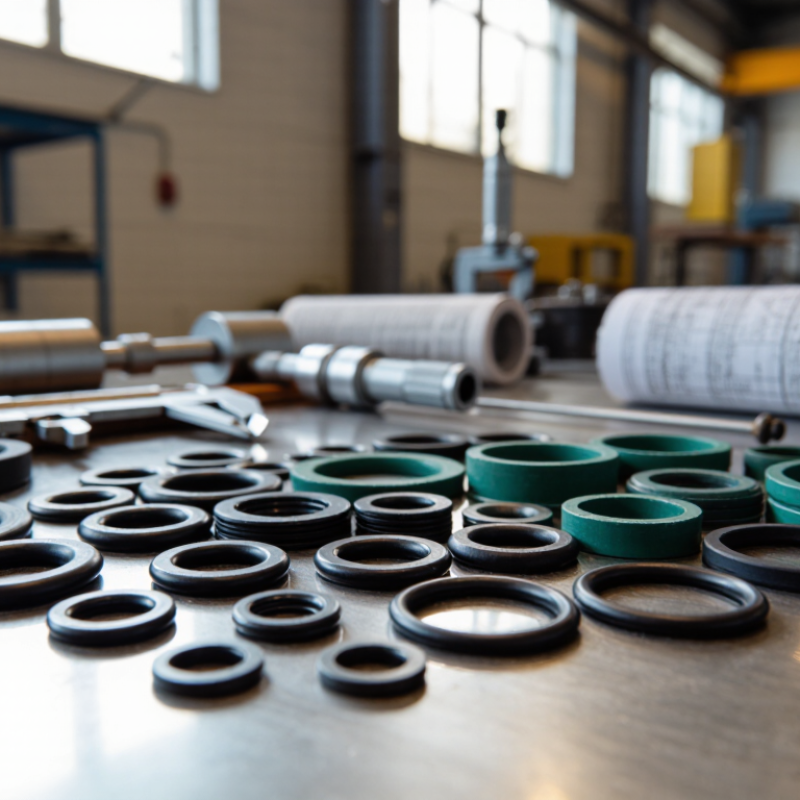
Nitrile O-Ring Fundamentals: NBR Grades, 18–50% ACN, and −40–120°C Service
Top Nitrile O Rings Suppliers for Global Buyers
Nitrile rubber, or NBR, remains a practical choice for oil, fuel, and pneumatic sealing. Its performance depends heavily on acrylonitrile content, not just hardness. NBR grades commonly contain 18–50% ACN. Lower ACN improves flexibility in cold conditions, while higher ACN improves oil resistance. The trade-off is real. More ACN can reduce low-temperature elasticity.
For service between −40°C and 120°C, buyers should match the compound to pressure, fluid, and movement. Standard NBR often performs near the middle of this range, but continuous exposure near 120°C may accelerate hardening and compression set. ASTM D1414-based test reports should show tensile strength, elongation, hardness, and compression-set results. ISO 3601 also helps verify dimensional accuracy and interchangeability. A seal that fits perfectly can still fail early.
Supplier comparisons should include batch traceability, material certificates, and independent test data. ASTM D2000 callouts provide a useful language for comparing rubber requirements across countries. Ask whether the stated temperature limit reflects continuous service or short exposure. This detail is often unclear. I have seen specifications copied without fluid testing, which is a weak practice. A 2024 industrial sealing market analysis also identifies chemical compatibility and longer service life as major purchasing factors. Cost alone is an incomplete measure.
Global Supplier Selection Criteria: ISO 3601, AS568, Shore A 40–90, and Traceability
For global buyers, selecting nitrile O-ring suppliers starts with measurable specifications, not polished sales language. In my sourcing work, ISO 3601 provides useful dimensional and quality expectations for O-rings. AS568 sizing helps teams compare inch-based dimensions consistently. Ask for current certificates, revision numbers, and test methods. A certificate without scope or date deserves a second look. Small detail, large consequence.
Shore A hardness from 40 to 90 should match pressure, temperature, movement, and sealing design. A supplier should explain the selected hardness and its permitted tolerance. Request samples at the target hardness before approving production. Nitrile compounds can differ in acrylonitrile content, temperature resistance, and compression behavior. Harder is not always better. This point is often underestimated.
Reliable traceability connects every lot to its compound batch, cure date, inspection record, and packaging label. For global shipments, retain certificates of conformity, dimensional reports, and material declarations. Check that the lot number appears on both documents and cartons. Ask how nonconforming products are isolated and recorded. I have seen traceability fail during relabeling, so warehouse controls deserve attention. No checklist is perfect. Supplier responsiveness matters when records conflict or a sample behaves unexpectedly.
Comparing Supplier Quality: ASTM Testing, Compression Set, Tolerance, and Batch Control
Top Nitrile O Rings Suppliers for Global Buyers
Reliable nitrile O ring suppliers prove quality through repeatable evidence, not attractive catalog photos. ASTM testing should identify the compound, hardness, tensile strength, elongation, and compression set. ASTM D395 results matter because a ring that stays compressed may leak after installation. Lower compression set is useful, but test temperature and duration must match the application. Otherwise, the number can mislead.
Dimensional control deserves equal attention. Suppliers should measure inside diameter, cross-section, flash, and surface defects against agreed tolerances. A calibrated optical system can detect small variations more consistently than hand gauges. Still, sampling alone may miss an occasional oversized ring. I have seen acceptable reports hide inconsistent pieces inside one bag. That is why incoming inspections should include both random samples and visual checks.
Batch control separates dependable suppliers from convenient sellers. Each lot should link to a compound code, cure date, production machine, inspection record, and certificate of analysis. Traceability helps buyers investigate swelling, cracking, or early leakage without guessing. Ask how rejected material is isolated. Ask how retained samples are stored. Their answers reveal practical discipline. No report is perfect. Test laboratories can make errors, and suppliers can overlook trends. Independent verification, clear specifications, and honest corrective-action records provide stronger confidence for global purchasing decisions.
Global Buying Guide: MOQ, Lead Times, Incoterms, Compliance, and Total Cost Analysis
For global buyers, compare nitrile O-ring suppliers on more than unit price. Ask for minimum order quantities by size, compound, and packaging. A low MOQ may help pilot orders, while larger production runs can reduce per-piece cost. Confirm lead times in writing, including sample approval, tooling, production, and export handling. A quoted four-week lead time means little if it excludes inspection or port delays. Small detail. Request the Incoterm and named delivery point on every quotation; EXW, FOB, and DDP place different costs and responsibilities on buyer and seller. The International Chamber of Commerce’s Incoterms rules define these responsibilities, but they do not replace a clear contract or agreed delivery schedule.
Check that drawings, dimensions, hardness, and compound requirements match the applicable ISO 3601 specifications. Request batch traceability and inspection records, then verify which compliance documents apply to the destination and end use. The World Bank’s 2023 Logistics Performance Index evaluates 139 economies across six areas, including customs, infrastructure, and shipment timeliness. It is a useful reminder that supplier performance and route reliability both affect delivery risk. Build landed cost from product price, tooling, freight, insurance, duties, inspection, and likely scrap or rework. Compare costs per usable seal, not per quoted piece. I would still leave room for a buffer: forecasts and spreadsheets rarely capture every delay.
Nitrile O-Ring Lead-Time Planning
Indicative planning ranges only—not guaranteed supplier commitments. Actual lead times depend on stock availability, tooling, order quantity, specification, and shipping method. Confirm production and transit schedules with suppliers before placing an order.


