Learn More With Our

Blog

7 Hanging Tent Lamp Buying Tips for Global Buyers

Choosing a Hanging Tent Lamp for international projects involves more than comparing brightness and price. Buyers must assess performance, safety, durability, and supplier reliability together.

In real sourcing work, small details often create large problems. A lamp may look powerful in product photos, yet feel dim inside a tent. A compact battery may also disappoint during cold nights or extended use. Check the lumen rating, battery capacity, charging method, switch design, and hanging structure carefully. Test the lamp in a dark tent, not only in a showroom.

Weather protection matters.

Look for clear IP ratings, heat-resistant materials, and stable wiring. Global buyers should request test reports, user instructions, packaging details, and replacement-part information. Recognized certifications can support confidence, but documents still require careful verification. Requirements may differ between destination markets, so local compliance checks remain important.

Supplier communication is another practical buying test. Ask for samples, production lead times, carton dimensions, and realistic delivery terms. One overlooked carton measurement can increase freight costs. This happens.

The seven tips in this guide help buyers compare Hanging Tent Lamp options with greater discipline. They cover technical specifications, safety expectations, installation convenience, branding flexibility, and after-sales support. Some advice may seem obvious, but rushed purchasing often ignores it. A reliable decision should survive field use, changing weather, and honest customer feedback. It should also leave room for improvement, because no lamp fits every tent, climate, or purchasing budget perfectly.
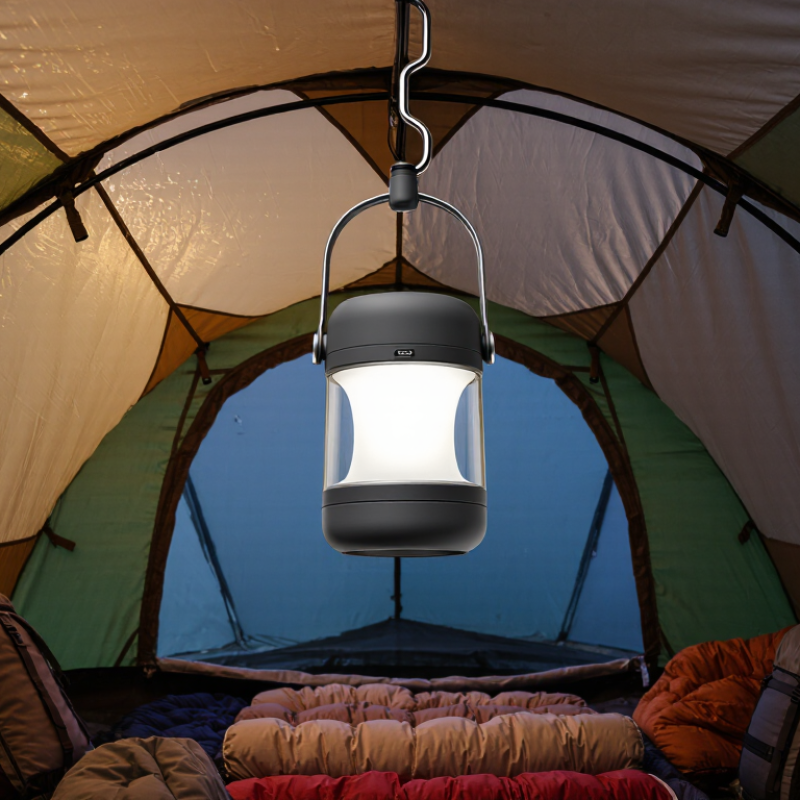
7 Hanging Tent Lamp Buying Tips for Global Buyers

Identify Your Tent’s Size, Layout, and Lighting Requirements

7 Hanging Tent Lamp Buying Tips for Global Buyers

Identify Your Tent’s Size, Layout, and Lighting Requirements

For global buyers, choosing a hanging tent lamp starts with the tent, not the lamp. Measure floor length, width, and peak height. A compact two-person tent needs less output than a six-person shelter. Yet capacity labels can mislead. Sleeping gear consumes usable space. Leave at least 30 centimeters between the lamp and fabric, following the lamp’s instructions. Record the hanging point, zipper paths, and ventilation openings. A centered lamp suits a single-room layout. Multiple lower-output lamps work better in divided tents.

Map activities before comparing lumens. Reading near a vestibule needs focused, glare-controlled light. Changing clothes or cooking needs broader illumination. Keep the sleeping area dimmer, especially when others rest. The U.S. Department of Energy reports that LEDs use at least 75% less energy than incandescent lighting and can last up to 25 times longer. That matters when a lamp uses batteries far from a socket. The International Energy Agency reports that lighting represented about 15% of global electricity consumption in 2022, making efficiency a practical buying criterion.

Check runtime at the chosen brightness, not the advertised maximum. A 100-lumen claim may hide a short high-output cycle. Compare tested runtime, battery type, charging method, color temperature, and emergency controls. For damp camps, verify the stated IP rating and local electrical requirements. I would not trust a perfect-looking specification alone. Independent test details are often missing. Sketch the tent layout first; then select beam spread, suspension length, and light output. Good fit beats impressive numbers.

Compare Brightness, Color Temperature, and Light Distribution

7 Hanging Tent Lamp Buying Tips for Global Buyers

Compare brightness using delivered lumens, not LED chip wattage. A 1,000-lumen lamp may feel weak when its shade blocks upward light. Check the photometric report, preferably tested under IES LM-79 procedures. The U.S. Department of Energy projects LED lighting could reach 86% penetration by 2035. Higher efficacy still does not guarantee better comfort.

Tip one: match lumens to tent size.
Tip two: check efficiency in lumens per watt.
Tip three: confirm dimming behavior.

Color temperature changes the tent’s atmosphere and visual accuracy. Around 2700–3000K feels warm near sleeping areas. Around 3500–4100K appears more neutral for cooking or reading. Cool white can feel harsh inside reflective fabric. ENERGY STAR’s lamp specification requires a minimum CRI of 80 for many general lighting products. CRI alone remains imperfect. Compare the actual CCT, CRI, and color consistency data.

Light distribution deserves equal attention. A narrow beam creates bright circles and dark edges. A wide beam improves coverage but may cause glare through pale fabric. Review the polar curve, beam angle, and BUG rating under IES TM-15 guidance.

Tip four: choose wide distribution for shared spaces.
Tip five: inspect glare control.
Tip six: verify mounting height.
Tip seven: request samples before bulk purchasing.

A practical test should measure brightness at the floor, table, and sleeping level. Do not rely only on catalog images. They often flatter the result. Global buyers should also confirm voltage, frequency, ingress protection, and local photometric documentation.

Choose the Right Power Source and Battery Performance

When buying a hanging tent lamp, power choice affects every night outdoors. Tip: Match the lamp to your trip length. USB-rechargeable models suit short journeys and frequent access to power banks. Replaceable-battery lamps work better where charging is difficult. I once chose a bright rechargeable lamp for a remote campsite. It needed charging sooner than expected.

Tip: Check measured runtime at the brightness you actually use. A package may list twelve hours on its lowest setting. At full brightness, performance can drop sharply.

Tip: Choose multiple brightness levels, including a soft mode for reading.

Tip: Look for a battery indicator. Guessing the remaining power is frustrating inside a dark tent.

Battery chemistry and charging design deserve careful attention.

Tip: Prefer a sealed, protected battery compartment. Moisture can enter after rain or heavy condensation.

Tip: Confirm the charging port and cable standard before purchasing. A common port is easier to replace during international travel. Still, port covers can become loose. Inspect them after repeated use.

Tip: Consider cold-weather performance. Low temperatures can reduce available battery capacity, especially overnight. Keep a spare battery or power bank inside your sleeping bag when conditions are severe.

Tip: Test the lamp before departure. Run it for several hours, then inspect heat, dimming, and charging behavior. A lamp that looks excellent online may disappoint in real use. That lesson is easy to miss.

Check Mounting Design, Dimensions, and Portability

7 Hanging Tent Lamp Buying Tips for Global Buyers

Check Mounting Design, Dimensions, and Portability

Mounting design should match the tent, not just the product photo. During field checks, I test the hanging loop with cold fingers and gloves. A wide, reinforced loop feels more dependable than a thin plastic tab. Check the hook opening carefully. It must fit a tent pole, ceiling ring, or branch without slipping. Magnets are useful only on steel surfaces. That detail is easy to miss.

Measure the lamp when folded and opened. Leave clearance from the tent fabric, roof vents, and sleeping area. A bulky shade may create bright glare and waste pack space. The International Energy Agency’s Energy Efficiency 2023 report states that lighting uses about 15% of global electricity. Efficient LEDs can reduce energy demand, but brightness alone does not prove efficiency. Compare lumens, battery capacity, and runtime together. Real runtime may fall in cold weather. I learned this the inconvenient way.

Portability requires more than low weight. Check packed volume, charging method, battery replacement, and water resistance. USB charging can simplify travel, but regional adapters may still be necessary. A lamp weighing 250 grams may feel heavy after several days of hiking. Look for a stable center of gravity and a protected switch. The IEC 60598-1 lighting standard emphasizes construction and electrical safety requirements, though buyers should still inspect product documentation. Test it before departure. Small flaws become larger outdoors.

Evaluate Weather Resistance, Safety Features, and Overall Value

Tip 1 Check weather resistance before admiring the design.

For outdoor use, inspect the IP rating, sealed switches, and protected charging ports. A lamp near a coast also needs corrosion-resistant hardware. Salt air can damage ordinary metal quickly. Look for UV-stable shades, because harsh sunlight may cause fading and brittleness. I once underestimated wind exposure; a sheltered patio was not truly sheltered during storms.

Tip 2 Treat safety details as essential, not decorative.

Confirm the hanging system supports the lamp’s weight and expected movement. Examine the cable insulation, connector quality, and heat control around fabric or wood. Battery models should include overcharge and overheating protection. For international orders, request test reports and instructions suited to your local voltage. Certification names vary by market, so verify documents with an independent testing database when possible. Small paperwork gaps can become expensive problems.

Tip 3 Calculate overall value beyond the purchase price.

Compare expected service life, replacement parts, battery performance, installation needs, and delivery protection. A cheaper lamp may require frequent charging or replacement after one wet season. That is not always a bargain. Consider brightness, too. A warm, dim glow may suit a tent, while a larger outdoor shelter needs wider coverage. Measure the hanging height and usable area before ordering. My own buying mistake was choosing appearance over maintenance access; cleaning the shade became awkward and slow. Reliable value often feels slightly boring at first. That can be a good sign.

Top