Learn More With Our

Blog

How to Choose Yanmar Rubber Tracks for Your Machine?

Choosing the right Yanmar rubber tracks is not simply a matter of matching model names. A compact excavator may look ready for replacement, yet small differences in width, pitch, and link count can affect fit and performance. The correct yanmar rubber tracks should suit the machine’s operating weight, undercarriage design, and working conditions. Muddy construction sites, rocky slopes, and paved surfaces create different demands. Measure carefully. Record the track width, pitch, and total links before ordering. Check the serial number and operator’s manual, too. These details reduce costly mistakes and help prevent an unsuitable track from being forced onto the sprocket.

Experience helps, but it can also create overconfidence. Even a skilled operator may trust an old measurement or overlook worn rollers. A reliable selection process combines field inspection, manufacturer specifications, and advice from a qualified parts supplier. Look for consistent rubber quality, reinforced steel cores, and a tread pattern suited to your regular work. Ask how the track was tested and whether its dimensions match Yanmar’s requirements. Do not judge only by a low purchase price. A cheaper track may wear quickly, ride poorly, or increase stress on the undercarriage. That possibility deserves attention. During installation, inspect the sprockets, rollers, and idlers. New tracks cannot repair damaged components. This guide explains the practical checks, questions, and trade-offs behind a more confident purchase. Some machines still surprise their owners. Careful verification remains the better habit.
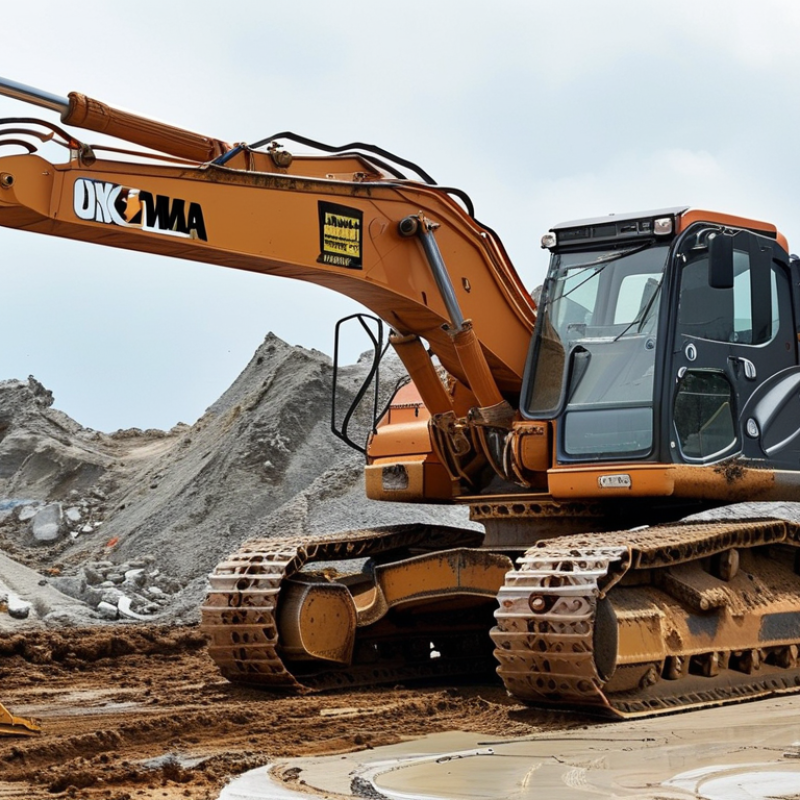
How to Choose Yanmar Rubber Tracks for Your Machine?

Understanding Yanmar Machine Models and Rubber Track Requirements

How to Choose Rubber Tracks for Your Machine?

Understanding the machine model is essential before selecting replacement rubber tracks. Different compact excavators use different track widths, pitches, and link counts. Check the identification plate, service manual, or existing track markings. Record the width, pitch, and number of links carefully. Small errors matter.

The machine’s operating weight also affects track selection. A heavier excavator needs stronger internal steel cords and a suitable tread pattern. Machines working on gravel need deeper lugs for traction and resistance. Turf work may require a gentler pattern to reduce ground damage. Measure twice. I once saw a track fitted only a few millimeters too wide, causing frame contact during tight turns. The machine still moved, but uneven wear appeared quickly.

Inspect the undercarriage before ordering. Worn sprockets, rollers, or idlers can damage new rubber tracks prematurely. Look for missing tread, exposed cords, cracking, and loose sections. Track tension should match the manufacturer’s recommended range, not personal preference. Excessive tension increases roller and bearing loads. Low tension can cause derailment. It sounds obvious, yet this step is often rushed. Choose a supplier that provides clear dimensions, load guidance, and traceable quality information. Ask how the track performs on your typical surfaces, including mud, concrete, and broken stone. Real operating conditions matter more than a single catalog photograph.

Checking Track Size, Tread Pattern, and Technical Specifications

How to Choose Rubber Tracks for Your Machine

Track size is the first checkpoint, not a guess based on appearance. Measure width, pitch, and link count from the installed track. A common code such as 180 × 72 × 37 means 180 mm width, 72 mm pitch, and 37 links. One wrong link count can create poor sprocket engagement. A 2024 report by Global Market Insights estimated steady growth in the rubber-track market, driven by compact construction equipment and replacement demand. That growth also means more inconsistent aftermarket specifications.

Check the tread pattern against your working surface. Block treads suit mixed ground and resist cuts around broken concrete. Bar-style treads usually improve flotation on soil, but they can collect mud. A narrow lug may perform well on grass and fail on sharp gravel. Experience matters here. Watch the jobsite.

Review rubber hardness, carcass construction, guide-lug shape, and rated operating load. ASTM D412 is commonly used to assess rubber tensile properties, but tensile strength alone cannot predict track life.

Ask for operating-temperature limits, warranty conditions, and compatibility with the machine’s sprocket and rollers. The European Tyre and Rim Technical Organisation publishes dimensional guidance for rubber products, yet machine-specific measurements remain essential. I still recheck dimensions twice. Catalog listings can be incomplete. A track that fits physically may wear quickly if tension, alignment, or load assumptions are wrong.

Matching Rubber Tracks to Operating Conditions and Terrain

How to Choose Rubber Tracks for Your Machine?

Matching rubber tracks to operating conditions starts with the ground, not the machine model. On soft soil, wider tracks reduce ground pressure and limit rutting. On compacted gravel, a denser tread pattern can improve stability. Mud needs open gaps between lugs, while finished concrete demands a smoother pattern. The wrong design may still fit, but it can vibrate, slip, or wear quickly.

ISO 4649 abrasion testing measures rubber volume loss under controlled laboratory conditions. It helps compare compounds, but it cannot predict every jobsite result. Off-Highway Research’s 2024 construction equipment report highlights continued demand for compact machines in rental and utility work. That matters because frequent transport, short projects, and mixed terrain create severe track cycles. In practice, correct tension is equally important. Excess tension increases heat and stress. Low tension can cause derailment. I have seen both problems blamed on “poor rubber,” when adjustment was the real issue.

Tips: Check the manufacturer’s fitment data, tread depth, track width, and roller condition. Match the compound to heat, rocks, asphalt, or abrasive soil. Clean tracks after muddy work. Avoid turning sharply on hard surfaces when possible. Record operating hours and inspect weekly. Perfect matching is not always possible. Recheck your choice after the first 100 hours.

Comparing Track Quality, Durability, and Manufacturer Compatibility

Choosing rubber tracks for a compact excavator requires more than matching the machine model. Track quality, durability, and manufacturer compatibility should guide the decision. Fit comes first. Measure the track width, pitch, link count, and inner guide dimensions against the machine’s technical data. Small errors matter. A track that looks suitable may still damage the sprocket or create uneven tension.

High-quality rubber usually contains reinforced steel cords and a dense outer compound. These features help resist cuts, separation, and premature stretching on rocky ground. In my field experience, tread design also affects performance. Deep, balanced patterns improve traction, while softer compounds can reduce vibration on paved surfaces. However, soft rubber may wear faster during frequent turning. That trade-off is easy to overlook.

Durability depends on both construction and working conditions. Inspect the sprocket, rollers, and idlers before installation. Worn components can shorten the life of a new track. Measure twice. Also, check whether the track manufacturer provides clear specifications, installation guidance, and responsive technical support. Reliable documentation suggests stronger quality control, although it cannot replace physical inspection. I have seen well-made tracks fail early because operators ignored incorrect tension. That mistake is worth remembering.

Compatibility should include more than basic dimensions. Confirm the track’s load rating, operating speed, machine weight, and undercarriage design. A reputable supplier should explain these limits without making vague promises. When details conflict, pause and verify them with the machine manual or a qualified technician. The cheapest option may fit today, but its long-term cost can be higher.

How to Choose Yanmar Rubber Tracks for Your Machine? - Comparing Track Quality, Durability, and Manufacturer Compatibility

Selection Category Key Dimension Reliable Reference Data What to Check Before Ordering Priority
Machine Identification Machine model and operating weight Confirm the exact model, production series, and operating weight shown on the machine identification plate or technical manual. The same machine family may use different track dimensions or sprocket designs depending on its production series and undercarriage configuration. Essential
Track Dimensions Width × pitch × links Record the track size in millimetres using the format: width × pitch × number of links. For example, 180 × 72 × 37 means a 180 mm width, 72 mm pitch, and 37 links. Measure the installed track and count the links. Do not rely on width alone because different pitches and link counts are not interchangeable. Essential
Undercarriage Fit Sprocket, roller, and idler compatibility The track must match the sprocket tooth profile, roller diameter, idler guide arrangement, and available frame clearance. Compare the replacement track with the original track and verify that the sprocket teeth sit centrally in the drive lugs without binding. Essential
Rubber Construction Rubber compound and reinforcement A quality track normally uses abrasion-resistant rubber with continuous steel-cord reinforcement and properly bonded metal or rubber drive lugs. Look for even rubber coverage, consistent lug moulding, no exposed steel cords, and no visible separation between the rubber and embedded components. Essential
Track Quality Tread and lug uniformity Tread blocks and drive lugs should have consistent dimensions across the complete circumference, with clean edges and no major moulding defects. Uneven lug height or irregular spacing can increase vibration, accelerate sprocket wear, and cause poor engagement during turning. Important
Durability Resistance to cuts and abrasion Tracks used on demolition, rocky, or abrasive ground require stronger cut- and abrasion-resistant compounds than tracks used mainly on soft soil or turf. Match the compound to the worksite. Sharp rock, scrap material, and concrete edges can damage any rubber track and may shorten service life significantly. Essential
Operating Environment Ground and weather conditions Rubber tracks are generally suitable for soil, gravel, grass, and paved surfaces when operated correctly, but prolonged exposure to oil, solvents, salt, or extreme heat can degrade rubber. Clean off oil and chemicals promptly, avoid storing tracks in direct sunlight, and do not operate on surfaces that exceed the track material's specified temperature limits. Essential
Load Performance Machine load and attachment use Heavy attachments, frequent lifting, side-loading, and continuous operation at maximum capacity increase stress on the track, rollers, idlers, and sprockets. Select a track designed for the machine's operating weight and intended duty cycle rather than choosing solely by physical dimensions. Essential
Tension Track sag and adjustment Correct tension is determined by the machine manufacturer's service procedure. Excessive tension increases bearing and track stress; insufficient tension can cause derailment. Measure sag at the specified location with the machine safely positioned. Adjust only according to the service manual and inspect the tensioning system for leaks. Essential
Installation Installation direction and seating The track must be seated correctly on the sprocket, rollers, and idler before the machine is operated. Directional tread designs must follow the maker's installation marking. Rotate the track slowly after installation and confirm that the lugs remain centred on the sprocket and rollers without rubbing the frame. Important
Manufacturer Compatibility Original-equipment specifications A compatible replacement should meet the original dimensions, load requirements, drive-lug geometry, and undercarriage clearance specifications. Use the machine model, serial or production information, measured dimensions, and photographs of the tread and drive-lug area when requesting confirmation. Essential
Service Life Replacement timing There is no universal replacement interval. Service life depends on soil, operating hours, turning habits, tension, undercarriage condition, load, storage, and maintenance. Replace or inspect urgently when steel cords are exposed, drive lugs are badly cracked, chunks are missing, the track repeatedly derails, or the track cannot maintain proper tension. Essential
Undercarriage Condition Sprocket and roller wear A worn sprocket, seized roller, damaged idler, or misaligned frame can rapidly damage a new rubber track. Inspect and repair related undercarriage components before installation. Replacing only the track may not solve repeated derailment or abnormal wear. Essential
Maintenance Cleaning and inspection frequency Remove packed soil, stones, and debris regularly, especially around the sprocket and rollers. Inspect for cuts, cracks, missing tread, and exposed cords. Daily inspection is advisable for intensive or abrasive work. Clean the undercarriage before storage and after operating in mud, salt, or contaminated areas. Important
Value Assessment Total operating cost Compare purchase price together with expected wear resistance, warranty terms, installation cost, downtime risk, and compatibility with existing undercarriage parts. The lowest initial price may not provide the lowest cost per operating hour if premature wear, poor fit, or repeated derailment occurs. Recommended
Reference note: Dimensions, load limits, tension settings, and inspection limits vary by machine model and production series. Always verify the final selection against the machine's service documentation and the measured undercarriage before purchase.

Selecting a Reliable Supplier and Planning Track Replacement

Choosing the right rubber tracks for your machine begins with the supplier, not the price tag. A reliable supplier should confirm the machine model, track dimensions, tread pattern, and operating conditions. Ask for clear specifications, production dates, warranty terms, and installation guidance. Experienced suppliers can explain how soil, slopes, sharp stones, and heavy loads affect track life. They should also answer technical questions without vague promises. Not every low-priced track is economical.

Tips: Measure twice. Check width, pitch, and link count before ordering. Compare the supplier’s data with your machine manual. Request photos of the tread and inner guide area. A short video can reveal quality details that product listings often hide.

Plan replacement before the tracks fail completely. Look for exposed cords, cracked rubber, uneven wear, or frequent derailment. Schedule replacement during a quieter work period. Keep the machine on firm, level ground, then release tension according to the service instructions. Poor alignment can damage new tracks quickly. I have seen operators replace only one worn track, hoping to reduce costs. That choice can create uneven movement and extra strain. Matching both tracks is usually safer when wear is significant. Still, inspect the sprockets, rollers, and idlers before installation. New tracks cannot correct damaged undercarriage parts. Record the installation date and working hours. This small habit makes future planning easier, although maintenance records are often neglected.

Top