How to Choose Bucket Teeth for Your Excavator in 2026?
Choosing the right Bucket Teeth for your excavator affects digging speed, fuel use, attachment life, and operator safety. A tooth that looks strong may still perform poorly in compact clay or abrasive gravel. The correct choice depends on material, machine size, bucket design, and daily workload.
This guide examines tooth profiles, adapter systems, steel grades, retention methods, and wear patterns. It also explains how to match Bucket Teeth with trenching, quarrying, loading, or general excavation tasks. In practical work, a sharp penetration tooth can enter hard soil quickly, while a wider tooth may improve bucket filling in softer ground. Small differences matter.
Reliable selection begins with manufacturer specifications and real site observations. Check the excavator’s operating weight, breakout force, pin dimensions, and recommended tooth family. Inspect worn teeth after each shift. Uneven wear can indicate poor alignment, incorrect installation, or unsuitable ground engagement. No selection chart is perfect. Conditions change, and experienced operators sometimes need to reassess their original choice.
This 2026 guide combines established equipment principles with practical maintenance judgment. It avoids promising one universal solution. Instead, it helps contractors compare options using measurable evidence, including penetration, wear rate, replacement time, and total operating cost. A tooth that costs less initially may require earlier replacement. That lesson is easy to miss. By reviewing each factor carefully, buyers can choose Bucket Teeth that support dependable excavation performance and more predictable maintenance planning.
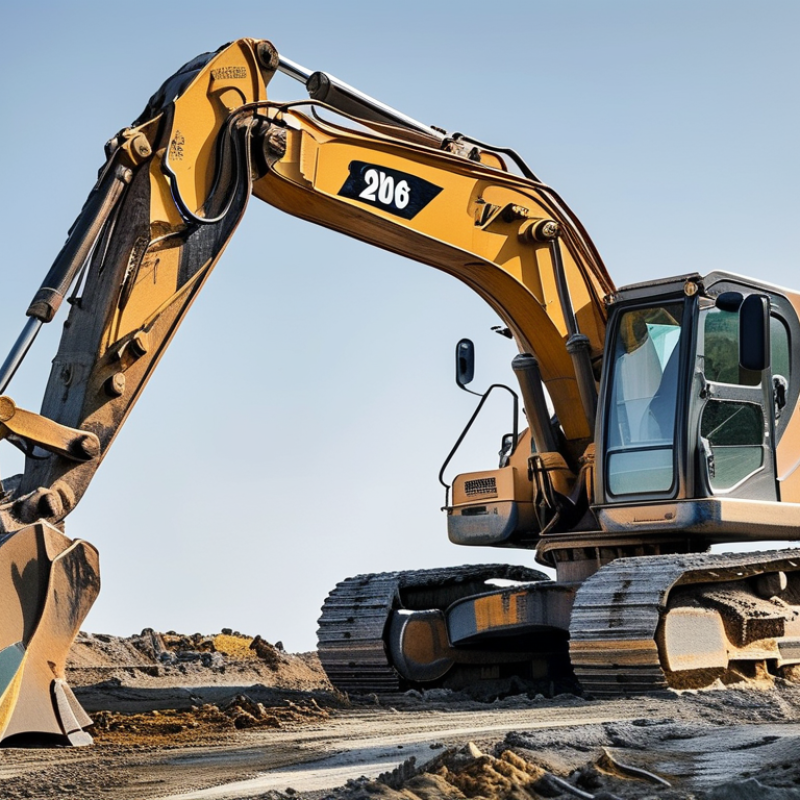
Classify Excavator Work by Machine Size: 1–100-Ton Operating Classes
How to Choose Bucket Teeth for Your Excavator in 2026?
Classify Excavator Work by Machine Size: 1–100-Ton Operating Classes
Excavator size sets the starting point for bucket-tooth selection. A 1–6-ton machine usually handles landscaping, utilities, and shallow trenching. Use narrow, sharp teeth for clean penetration. Compact machines from 6–10 tons need balanced teeth for mixed soil and recycled fill. Tooth weight matters here. Oversized parts can reduce breakout efficiency.
Mid-size excavators, from 10–30 tons, commonly perform roadwork, quarry preparation, and deep excavation. General-duty teeth suit ordinary soil. Abrasion-resistant profiles work better in gravel and dense clay. Machines from 30–60 tons require stronger adapters, thicker shrouds, and reinforced teeth. Field inspections often find premature wear caused by poor tooth retention, not weak steel.
Excavators from 60–100 tons face heavy rock, overburden, and continuous loading. Choose penetration or rock profiles according to the material, not simply machine weight. The 2024 KHL Yellow Table reported 243.4 billion US dollars in sales across the leading construction-equipment manufacturers, showing the sector’s scale and equipment diversity. However, market size does not replace site testing. ISO 6016 measurement practices also remind buyers to compare operating mass consistently. A 20-ton label is only a starting point. Bucket width, hydraulic breakout force, adapter geometry, and tooth pitch must match. I still see operators select the hardest tooth available. That choice can be wrong. Excessively hard teeth may sacrifice penetration and increase fuel use in softer ground.
Match Tooth Profiles to Soil: 3 Core Designs for Digging, Loading, and Abrasion
How to Choose Bucket Teeth for Your Excavator in 2026?
Soil should guide tooth selection, not habit. In field inspections, I begin with a simple hand test and machine history. Clay that holds together usually needs a narrow, sharp penetrating tooth. Its pointed profile cuts compact faces and reduces resistance during trenching. Do not overuse it in gravel. The tip can wear quickly.
A wider loading tooth works better for loose soil, sand, and stockpiled aggregate. Its broader edge fills the bucket and supports cleaner material release. I have found this design useful when production matters more than deep penetration. However, it may struggle against dry, packed ground. The wrong shape wastes fuel and increases tooth pressure.
Highly abrasive soil demands a reinforced abrasion-resistant tooth. Look for thicker working metal and strong wear coverage around the nose. Crushed rock, coarse gravel, and mineral-rich fill can remove sharp edges within hours. Check the tooth after each shift. Small cracks matter. Also inspect the adapter, retaining pin, and bucket lip, because tooth performance depends on the whole connection. A field chart helps, but it cannot replace observation. My first choice is not always correct after rain, freezing, or a change in digging angle. Photographing wear patterns can improve the next selection.
How to Choose Bucket Teeth for Your Excavator in 2026? - Match Tooth Profiles to Soil: 3 Core Designs for Digging, Loading, and Abrasion
| Tooth Profile | Primary Job | Best-Matched Ground | Typical Geometry | Main Advantage | Trade-Off | Selection Guidance |
Penetration Tooth
Digging | Breaking and penetrating compacted soil, clay, mixed fill, and weathered ground. | Firm clay, dense soil, compacted fill, partly weathered rock, and frozen or stiff ground where penetration is more important than bucket capacity. | Narrow, pointed nose with a relatively small contact area and a strong central section. | Concentrates excavator breakout force at the tip, helping the tooth enter resistant material. | The pointed tip can wear faster in highly abrasive sand, gravel, or crushed rock. A narrow profile may carry less loose material than a wider profile. | Choose this profile when the bucket struggles to enter the ground or when digging force is the limiting factor. Inspect the tip regularly for rounding. |
General-Purpose Tooth
Loading | Balanced digging, trenching, and loading of common soils. | Loam, ordinary clay, moist soil, loose-to-medium gravel, sand, and general construction backfill. | Medium-width point with a balanced nose, moderate side support, and a shape designed for both penetration and material retention. | Provides a practical balance between digging performance, wear life, and bucket fill in mixed applications. | It is not as penetrating as a narrow tooth in hard ground and may not last as long as a reinforced abrasion tooth in severe rock or sand. | Use it as the default profile when ground conditions change frequently or when one bucket must perform both excavation and truck loading. |
Abrasion-Resistant Tooth
Abrasion | Handling abrasive material while maintaining wear resistance and bucket productivity. | Crushed stone, granite, compacted gravel, hard limestone, mineral-bearing soil, and other high-wear materials. | Wider and heavier nose with additional wear material around the leading edge and side surfaces. | Retains useful tooth shape for longer under sliding, impact, and abrasive contact. | The extra material increases tooth weight and may require more breakout force than a narrow penetration profile. | Select it when tooth replacement frequency is driven by abrasive wear rather than poor ground penetration. Verify that the added weight suits the excavator and bucket. |
Specify Alloy Steel Teeth at 400–500 HB for Balanced Wear Resistance
How to Choose Bucket Teeth for Your Excavator in 2026?
Alloy steel teeth rated at 400–500 HB offer a practical balance between hardness and toughness. The 2024 Global Construction Equipment Market Review links excavator productivity closely with attachment durability and planned maintenance. Harder teeth can resist quartz-rich soil and crushed stone better. However, excessive hardness may increase chipping under impact.
ASTM G65 evaluates abrasive wear through mass loss, not guaranteed service hours. That distinction matters. A tooth working in wet clay behaves differently from one cutting dry granite. ASTM E10 hardness guidance also reminds engineers that Brinell values require consistent testing conditions. In field inspections, I would check the tooth nose, adapter fit, and sidewall wear together. Choosing 500 HB only because it sounds stronger can be a costly mistake. I have seen hard edges survive abrasion but fail after repeated impact.
Tips: Match 400–450 HB teeth with mixed digging, compacted soil, and moderate rock. Consider 450–500 HB for sustained abrasive materials. Confirm the steel chemistry, heat-treatment record, and test location before ordering. Keep one spare set available. Wear rarely develops evenly. A simple weekly measurement can reveal unexpected loss before bucket performance drops. Geological variation still defeats perfect specifications.
Compare Adapter Systems by 3 Fit Factors: Retention, Penetration, and Downtime
How to Choose Bucket Teeth for Your Excavator in 2026?
Compare Adapter Systems by 3 Fit Factors: Retention, Penetration, and Downtime
Choosing bucket teeth is not only about steel hardness or purchase price. The fit between the tooth and adapter controls daily performance. I check retention first because a loose tooth can damage the nose, bucket, and work area. A secure locking system should resist side movement, yet remain practical for field replacement. Test the lock with clean parts and the correct tool. Dirt can hide a poor fit.
Penetration comes next. Match the tooth profile to the material, not personal preference. A narrow point may enter compact clay quickly, while a wider profile can last better in abrasive gravel. Watch the bucket angle during loading. Even a sharp tooth performs poorly when the adapter sits at the wrong working angle. Small alignment errors become visible as uneven wear.
Downtime often costs more than the tooth itself. Measure replacement time during a real shift, not in a workshop. Keep spare retainers and a simple inspection gauge nearby. I once focused too heavily on wear life and overlooked difficult removal. That choice created unnecessary delays. It was a useful mistake. Review the fit after several loads, especially when teeth show rocking, cracks, or unusual wear. A dependable system should penetrate steadily, retain securely, and allow quick, safe servicing. Perfect choices are rare. Careful records help.


