What is the Best Use for Small Rubber Tracks?
Small rubber tracks have gained significant attention in various industries. Their versatility makes them suitable for multiple applications. These tracks are essential in equipment like mini excavators, ATVs, and other compact machinery. Users appreciate their ability to navigate challenging terrains, providing stability and traction.
In construction and landscaping, small rubber tracks are invaluable. They reduce ground disturbance and protect surfaces from damage. This is crucial in urban settings where preserving the landscape is important. The lightweight design allows for easier transport and maneuverability, enhancing job efficiency.
However, not all users fully understand their capabilities or limitations. While they excel in certain environments, they may not perform well in extreme conditions. Debating their cost-effectiveness compared to traditional tracks can spark discussion. Identifying the best uses for small rubber tracks is essential for maximizing their benefits and ensuring appropriate application.
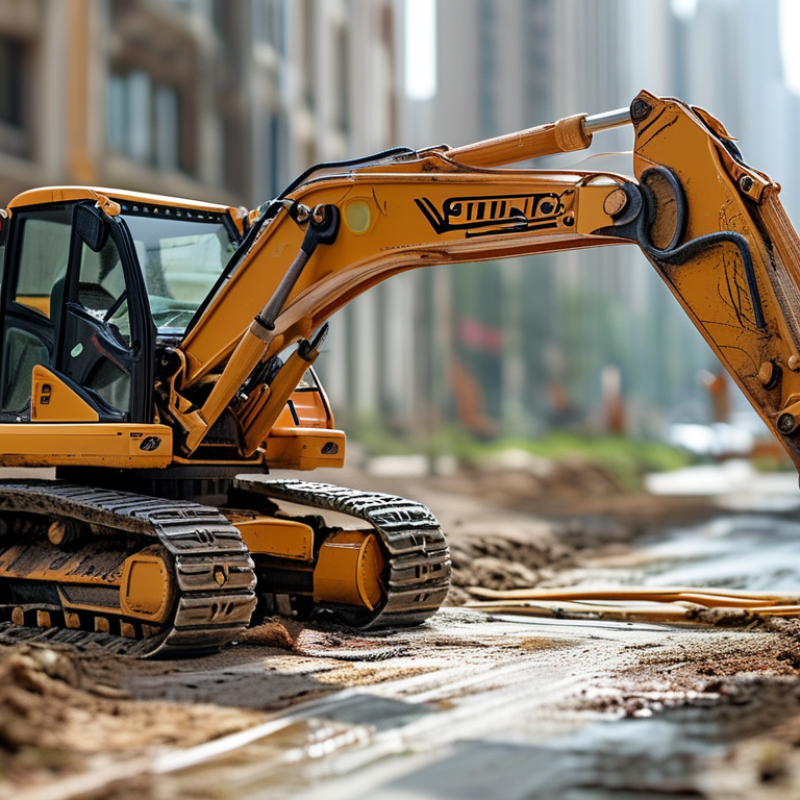
Types of Small Rubber Tracks and Their Applications
Small rubber tracks are versatile components used in various machinery. Their design suits multiple applications, from compact excavators to turf maintenance equipment. These tracks are engineered to provide an optimal grip while minimizing ground pressure. This makes them ideal for delicate surfaces, such as lawns and golf courses.
Different types exist. Some tracks are designed for better agility on rough terrains. Others focus on stability, ideal for smooth surfaces. The choice of rubber track impacts performance. It's crucial to align the type with the intended use. Misalignment can lead to inefficiencies. In some cases, users may experience excessive wear, affecting machine longevity.
Considering the application is vital. For instance, tracks used in landscaping must handle varied soil types. Those in indoor settings face different challenges, such as limited space. Poor selection can cause operational hiccups. Each scenario demands careful thought. While small rubber tracks are reliable, the wrong fit can lead to unexpected issues.
Advantages of Using Small Rubber Tracks in Various Industries
Small rubber tracks have become indispensable in various industries due to their versatility and efficiency. These tracks are lighter and more flexible than traditional metal tracks, making them a preferred choice for compact machinery. For instance, according to a recent industry report by the Equipment Manufacturers Association, the use of rubber tracks increased by 25% over the past five years in the landscaping and agricultural sectors. This growth is largely attributed to their ability to reduce soil compaction, improving overall yield in farming.
In construction and material handling, small rubber tracks facilitate mobility on uneven surfaces. They provide excellent traction, reducing slippage even in damp conditions. A study from the Journal of Construction Engineering revealed that using rubber tracks decreased site damage by 30% compared to wheels. This is crucial for projects in urban settings where preserving surface integrity is vital.
Some practical advice when choosing rubber tracks includes considering the specific terrain and load requirements. Regular inspections help identify wear and potential failures early, ensuring safety and efficiency. Always factor in replacement costs; maintaining tracks can be more budget-friendly than replacing them. While small rubber tracks are efficient, they do require mindfulness regarding maintenance and compatibility with equipment.
Choosing the Right Small Rubber Track for Your Needs
Selecting the right small rubber track for your needs can profoundly affect performance and durability. According to industry reports, using rubber tracks can increase machine efficiency by up to 30%. Their design allows for better traction on various terrains, which is crucial for mini diggers, compact track loaders, and other equipment.
When considering a small rubber track, assess the track size, tread pattern, and material composition. A wider tread ensures improved stability and load distribution. In contrast, a narrower track may offer better maneuverability. Many operators overlook the significance of tread patterns. A proper tread aids in better grip, especially on uneven surfaces, enhancing safety and performance.
Ensure you regularly inspect tracks for wear and tear. Small cracks or uneven surfaces can lead to reduced traction and premature failure. Regular maintenance, including cleaning and adjusting tracks, can extend their lifespan. Investing in high-quality tracks may seem costly, but it ultimately saves on repair expenses. Small rubber tracks are an essential component for equipment efficiency, but choosing the right one requires thoughtful consideration.
Maintenance Tips for Small Rubber Tracks to Ensure Longevity
Small rubber tracks are essential for various machines, including compact track loaders and mini excavators. To keep these tracks in optimal condition, regular maintenance is crucial. Inspecting the tracks frequently for wear is important. Look for cracks, tears, or signs of uneven wear. These issues can indicate underlying problems that need immediate attention.
Cleaning the tracks is another vital step. Debris, mud, and vegetation can accumulate and cause significant damage over time. Use a pressure washer to gently remove debris without damaging the rubber. Additionally, ensure the tracks are adequately tensioned. Under- or over-tensioning can lead to premature wear. Adjust the tension according to the manufacturer's guidelines for better longevity.
Check the alignment of the tracks as well. Misalignment can cause uneven wear and affect machine performance. If adjustments are needed, consult a professional. Remember, small rubber tracks are an investment. Taking proactive steps in maintenance can prevent costly repairs later on. Each task may not seem significant at first, but neglecting them could lead to more severe issues. Prioritizing these maintenance practices enhances the lifespan of your equipment.
Innovative Uses of Small Rubber Tracks Beyond Traditional Applications
Small rubber tracks have traditionally been used in machinery and vehicles, but their applications can extend far beyond that. In urban gardens, they can serve as excellent pathways. Their flexibility and durability allow them to withstand foot traffic without damaging the surrounding soil or plants. Additionally, using small rubber tracks can help in erosion control by retaining soil in place. This can contribute to healthier gardening ecosystems.
For those in construction, these tracks can act as temporary roadways. They can support heavy loads while preserving the integrity of existing surfaces. They can also be helpful in reducing the risk of muddy conditions on job sites. Furthermore, their lightweight nature makes them easy to transport and set up.
Consider experimenting with rubber tracks in art installations or playgrounds. They can add a unique aesthetic element. Mixing tracks with other materials can create engaging spaces for children. However, ensure the installation is safe and stable. Proper planning is crucial. Always test the setup before allowing public use.