What is the Best Option for Replacement Tracks in 2026?
As we approach 2026, the demand for effective replacement tracks in various industries is on the rise. Businesses face a critical choice: which tracks will efficiently meet their needs? The landscape of replacement tracks is changing. Innovations in materials and technology offer new options for durability and performance.
It's essential to consider both the short-term and long-term benefits of these choices. Different industries require distinct features. For instance, some tracks need to withstand heavy loads, while others must provide high-speed performance. The efficiency of your operations can hinge on these choices.
However, the fluctuation in market trends makes decisions challenging. Not every new product will prove reliable over time. Evaluating the credibility of suppliers and user feedback is crucial. As you weigh your options, a thorough understanding of replacement tracks will guide you toward a more informed decision. In 2026, leveraging expertise will be key to making the best choice.

Current Trends in Replacement Tracks for 2026: An Overview
As we approach 2026, the landscape of replacement tracks is evolving rapidly. Industry reports indicate that the global market for replacement tracks is projected to reach $4.5 billion by 2026. This growth is driven by increasing demand in agriculture and construction sectors. The need for durable and efficient tracks has never been greater.
Recent data reveals that rubber and steel tracks are gaining significant traction due to their longevity. They offer better traction and fuel efficiency over traditional options. However, challenges remain. Cost considerations and the environmental impact of manufacturing processes must be addressed. While advancements in materials show promise, sustainability practices are lagging behind.
Another trend is the rising popularity of customizable track solutions. These options cater to diverse terrains and specific equipment needs. This customization enhances performance but can complicate supply chains. Balancing innovation and reliability is crucial. Stakeholders must ensure that as they adopt these new technologies, the focus on quality does not diminish.
Comparison of Materials: Rubber vs. Steel for Replacement Tracks
When examining replacement tracks, the choice between rubber and steel is critical. Rubber tracks offer excellent traction and reduced ground impact. They excel in soft terrains like mud or snow. Their flexibility can adapt to uneven surfaces, allowing for enhanced maneuverability. Many users appreciate the quieter operation. However, rubber is less durable compared to steel, and can wear out quickly in harsh conditions.
Conversely, steel tracks are renowned for their strength. They can withstand rigorous demands and harsh environments. Steel tracks typically last longer, making them a cost-effective option over time. However, they can be heavier and lead to increased fuel consumption. The noise produced by steel on pavement is another concern. Some operators may find the vibrations uncomfortable. Careful consideration of these factors is necessary.
Both material options have their strengths and weaknesses. Rubber is lightweight and versatile, but may not hold up in all circumstances. Steel, on the other hand, offers durability but can come with trade-offs in terms of comfort and efficiency. Selecting the best option involves weighing these characteristics against specific operational needs. Each choice reflects a balance of performance, longevity, and suitability for different terrains.
What is the Best Option for Replacement Tracks in 2026? - Comparison of Materials: Rubber vs. Steel for Replacement Tracks
| Material |
Durability |
Weight |
Cost |
Traction |
Maintenance |
| Rubber |
Moderate |
Lightweight |
$$ |
High |
Low |
| Steel |
High |
Heavy |
$$$ |
Moderate |
High |
Performance Metrics: Longevity and Maintenance Costs of Replacement Tracks
When considering replacement tracks in 2026, evaluating performance metrics is crucial. Two key factors are longevity and maintenance costs. According to a recent industry report, the lifespan of synthetic tracks ranges from 8 to 12 years. This varies based on usage intensity and environmental conditions. Understanding local climate impacts can guide choices. Poor weather exposure can reduce track durability.
Maintenance costs also play a significant role in track selection. The average annual maintenance expenditure can reach up to $5,000 for synthetic tracks. Regular upkeep includes cleaning, inspections, and minor repairs. If these costs aren't factored in, long-term budgets can suffer. In contrast, traditional dirt tracks may incur lower initial installation costs but require more frequent maintenance. Factor in this expense when planning.
Tip: Always assess your local environment before selecting a track. Rain and snow affect material longevity.
Tip: Allocate a separate budget for yearly maintenance. This ensures you’re prepared for unexpected costs.
Balancing performance with budget needs can be challenging. It’s wise to reconsider assumptions about costs and lifespan. The ideal choice requires thorough research and expert insights.
Innovations in Track Replacement Technology: What's New for 2026?
As we approach 2026, advancements in track replacement technology are becoming more significant. Engineers are innovating materials and methods that promise enhanced durability and safety. New composite materials are being tested, offering a lighter yet sturdier option. These materials can withstand extreme weather, reducing maintenance needs.
In addition to material innovations, automated installation techniques are gaining traction. Drones and robotic systems are streamlining the track laying process. This technology could minimize human error and increase efficiency. However, challenges remain. Training and integration of these systems into existing workflows may be complicated.
The focus on sustainability is also noteworthy. Many companies are exploring eco-friendly materials to replace conventional options. This shift aims to reduce waste and environmental impact. Implementing these initiatives isn't straightforward. Concerns about performance and cost-effectiveness linger. The future holds promise, but it's essential to approach these innovations with careful consideration.
Innovations in Track Replacement Technology: What's New for 2026?
Environmental Impact of Replacement Tracks: Sustainable Options Available
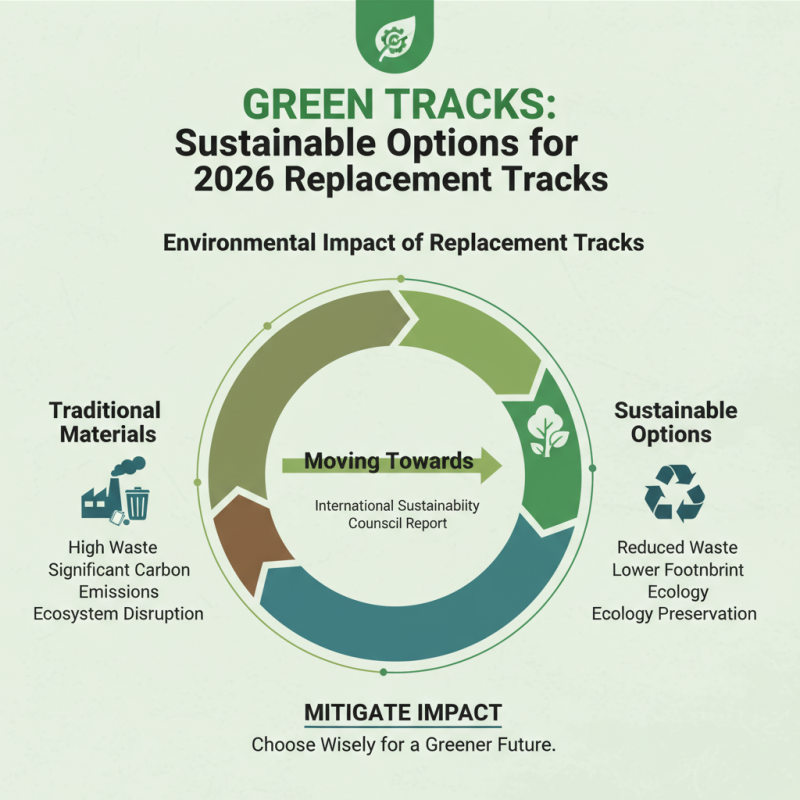
In considering replacement tracks for 2026, it’s crucial to evaluate the environmental impact of materials. The construction and maintenance of tracks significantly influence the ecosystem. A recent report from the International Sustainability Council highlights that traditional materials can generate considerable waste and carbon emissions. Moving towards sustainable options can mitigate these effects.
Recycled materials are gaining traction. Using recycled rubber and aggregates can reduce the carbon footprint by up to 30%. However, the durability of these materials often raises concerns. Some industry experts emphasize that while they are environmentally friendly, they may not last as long as traditional options. It’s imperative to balance sustainability and performance.
Innovative alternatives like bio-based composites are currently under research. These materials promise lower environmental impacts. Still, there’s a need for rigorous testing and validation. Many advocates argue that without proper standards, adopting these options could lead to unforeseen issues. Investing in reliable research is essential to determine the best practices for track replacement in the future.