7 Best Bobcat Excavator Tracks for Your Machine?
Choosing the right bobcat excavator tracks is not a simple matter of matching size and price. Track design affects stability, vibration, traction, and ground disturbance. A poor choice can leave an excavator slipping on wet clay or sinking into loose gravel.
Mike Ballweber, a respected Bobcat equipment executive, has emphasized the value of matching equipment choices to real jobsite demands: “Performance comes from choosing the right machine and attachments for the work.” That principle also applies to rubber tracks. The best option depends on your excavator model, operating weight, sprocket condition, terrain, and daily workload.
This guide examines seven leading track options for Bobcat excavators. It compares tread patterns, rubber quality, steel reinforcement, ride comfort, installation demands, and expected service life. We also consider common work conditions, including muddy trenches, landscaped yards, demolition areas, and compact construction sites.
Not every premium track is the best purchase. Sometimes, a mid-range track performs better for light landscaping work. That part is easy to overlook. A track may look rugged but wear quickly when the undercarriage is misaligned. Incorrect tension can create another expensive problem.
The recommendations reflect practical maintenance experience and manufacturer specifications. Still, jobsite conditions vary. Use this list as a buying framework, not an absolute rule. Before ordering, verify the exact model, track dimensions, tread style, and final-drive condition. Small measurement errors matter. They can stop the machine before the work begins.
What Are Bobcat Excavator Tracks and Why Do They Matter?
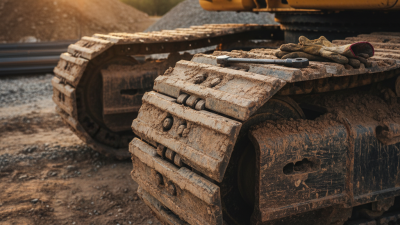
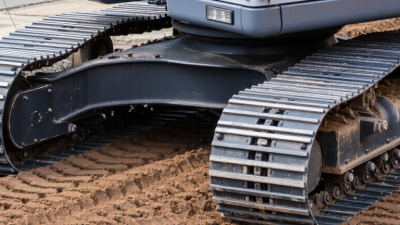
Excavator tracks are the continuous rubber or steel belts that carry a machine across the ground. They wrap around the undercarriage and run over rollers, sprockets, and idlers. Unlike tires, tracks spread the machine’s weight across a wider contact area. That can improve stability on soft soil, reduce ground pressure, and help maintain traction on uneven work sites. They matter most when conditions change quickly: a damp trench edge, loose gravel, or a patch of compacted clay can each affect how the machine moves.
Track choice depends on the machine’s specifications and the work it actually does. Rubber tracks are often quieter and gentler on paved surfaces, while steel tracks can suit harsher, abrasive ground. Neither is right for every job. Check the track’s width, pitch, link count, and fit against the machine’s service information before ordering. A small mismatch can cause poor engagement or faster wear. Keep the undercarriage clear of packed mud and stones, and look for cuts, missing lugs, or unusual slack during routine inspections. Small details matter.
Wear is not always obvious. A track may look usable but still slip under load, especially when tension is incorrect. Over-tightening can strain undercarriage parts; too much slack can encourage derailment. The right tension depends on the machine and conditions, so follow its maintenance guidance rather than guessing. Even careful operators miss things sometimes. A quick inspection after working in rocky ground can catch damage before it becomes a costly delay.
How to Match Track Types to Your Bobcat Excavator Model
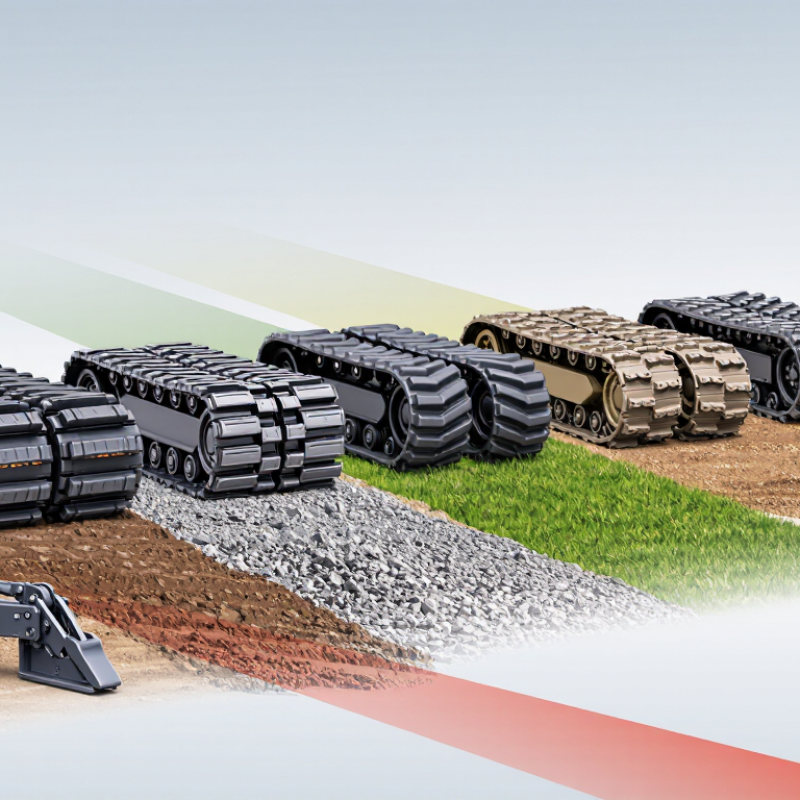
Choosing among seven excavator track types starts with the machine model, not appearance. Check the parts manual for track width, pitch, link count, and sprocket profile. Standard rubber tracks suit soil, landscaping, and mixed construction. Non-marking rubber reduces surface staining on finished floors. Roadliner tracks work well on paved areas, while steel tracks handle sharp rock and demolition debris. Zig-zag tread improves traction in mud. Turf tracks spread pressure across delicate lawns. Segmented tracks can simplify replacement, but they may cost more.
A 2024 Off-Highway Research outlook identifies compact excavators as a major volume segment in construction equipment, increasing pressure on owners to control undercarriage costs. Equipment lifecycle studies also commonly show undercarriage work consuming roughly half of total maintenance spending. The exact percentage varies by soil, loading, and operator habits. It is not a universal rule.
Match the track to the model’s operating weight and final-drive design. A wider track can reduce ground pressure, but it may overload the drive system. Measure twice. Compare the machine’s rated ground pressure, not only its track width. For frequent asphalt work, rubber roadliners are usually practical. In abrasive gravel, steel may last longer, though vibration rises sharply. Inspect every 50 operating hours for cuts, exposed cords, loose bolts, and uneven wear. I have seen owners choose aggressive tread for muddy sites, then discover faster wear on hard ground. The right match is sometimes less obvious than the strongest-looking option.
7 Best Bobcat Excavator Tracks for Your Machine? - How to Match Track Types to Your Bobcat Excavator Model
| Track type |
Best suited to |
Typical advantages |
What to check before matching |
| Standard rubber track |
General digging, landscaping, and mixed surfaces |
Versatile surface protection and relatively smooth travel on firm ground |
Exact track width, pitch, link count, guide style, and machine clearance |
| Wide rubber track |
Soft soil or ground where lower ground pressure is desirable |
A wider footprint can help distribute machine weight over a larger area |
Whether the wider track fits the undercarriage and does not contact the frame or attachments |
| Narrow rubber track |
Restricted access and narrow work areas, when approved for the machine |
Can reduce overall track width for access through confined spaces |
Permitted track width, stability requirements, and compatibility with the original undercarriage |
| Non-marking rubber track |
Finished surfaces where minimizing dark track marks is important |
A compound designed to reduce visible marking on some paved or indoor surfaces |
Surface requirements, compound specification, and exact dimensional fit |
| Steel track |
Severe, abrasive ground where the machine is designed for steel tracks |
Metal construction can better tolerate some sharp or abrasive conditions than rubber |
Machine approval, track-chain dimensions, sprocket compatibility, and surface damage risk |
| Steel track with rubber pads |
Work requiring a steel track base with some protection for paved surfaces |
Removable or fitted pads can reduce direct steel contact with the ground |
Pad attachment method, chain dimensions, clearance, and suitability for the work surface |
| Aggressive-tread rubber track |
Soft, uneven, or muddy ground where added tread engagement is useful |
A more pronounced tread pattern can improve grip in some loose-ground conditions |
Tread clearance, expected surface, wear characteristics, and the machine’s exact track dimensions |
Fitment note: Track type alone does not confirm compatibility. Verify the machine’s approved track width, pitch, link count, guide configuration, and undercarriage clearance using its serial-specific parts information or a qualified service professional. Operating weight by itself is not enough to identify the correct track.
Seven Top Bobcat Excavator Track Options Compared
7 Best Bobcat Excavator Tracks for Your Machine?
Seven Top Bobcat Excavator Track Options Compared
Choosing excavator tracks depends on ground conditions, working hours, and machine weight. Standard rubber tracks suit landscaping, soil, and paved surfaces. They reduce vibration and usually protect finished ground better. Premium rubber tracks offer stronger tread compounds and improved resistance to cuts. They cost more, but frequent operators may recover that cost through longer service life.
Reinforced rubber tracks add deeper protection around the steel core. They fit rocky jobs better than standard versions. Steel tracks provide excellent traction on demolition sites, frozen ground, and sharp gravel. However, they can damage concrete and increase vibration. Hybrid steel-core tracks balance rubber comfort with stronger internal support. They are useful for mixed work, though their performance depends heavily on correct installation.
Low-ground-pressure tracks spread machine weight across soft soil. They help reduce sinking near drainage work or wet landscaping areas. Heavy-duty all-terrain tracks use aggressive tread patterns for slopes, mud, and uneven ground. Their traction is impressive, but they may create more surface disturbance. From field inspections, I have learned that tread wear is often uneven because operators ignore alignment. I made that mistake once. Measure track tension, inspect sprockets, and compare the old tread with the manufacturer’s fitment data. The “best” option is not always the strongest one. It is the track that matches the site without creating new maintenance problems.
How to Choose Tracks by Terrain, Tread, and Job Requirements
Choose excavator tracks by matching their footprint and tread to the ground, not by appearance alone. On wet clay, wider tracks spread machine weight and can reduce sinking; deeper, open-pattern lugs help clear sticky soil. In loose sand, a broader footprint improves flotation, while aggressive lugs can still dig in during tight turns. ASTM International’s D2487 standard classifies soil as coarse-grained when more than 50% is retained on a 0.075 mm sieve. That measurement can help distinguish gravelly ground from finer material, but a muddy worksite may change after rain. Looks can mislead.
For mixed sites, consider moderate-width tracks with a tread that balances grip and cleanout. On pavement or finished surfaces, rubber tracks may limit marking, while steel tracks suit abrasive, rocky ground but can damage surfaces. The USDA NRCS Soil Survey Manual classifies soil texture through sand, silt, and clay proportions; checking a soil survey is more reliable than guessing from one handful. Also compare track width and machine weight with the manufacturer’s operating specifications. Measure twice. Inspect tension, undercarriage wear, and mud buildup regularly. I have seen a sensible tread choice perform poorly when tension was overlooked. A small mismatch matters.
How to Install, Maintain, and Replace Excavator Tracks
Installing tracks on a compact excavator starts with a clean, level work area. Park safely, lower the attachment, and release hydraulic pressure before lifting the machine. Use approved lifting equipment, not improvised blocks. Loosen the track adjuster gradually, then push the idler inward. Guide the new track around the sprocket and idler. Keep hands away from pinch points. I use a pry bar only from a safe side. Never place fingers between the track and frame.
Set the track tension according to the machine’s service manual. Measure sag at the specified point, because guessing causes trouble. Too much slack can derail the track. Excessive tension accelerates wear on rollers, idlers, and final drives. After installation, rotate the track slowly and check alignment. It should run smoothly without climbing the sprocket. Stop immediately if you hear sharp clicking.
Daily inspection takes only a few minutes. Remove packed soil, stones, and wire from the undercarriage. Examine tread blocks, bolt heads, sprocket teeth, and roller seals. Look for cuts, uneven wear, or exposed steel. I once ignored a small sidewall crack; it became a field replacement later. That mistake was avoidable. Recheck tension after several operating hours, especially on rocky ground. Replace a track when damage threatens safe operation or adjustment no longer holds. Record measurements and photos. Clear records improve maintenance decisions, even when the first diagnosis is wrong.